National living room festival kicks off anniversary year on Sunday, January 31, 2027
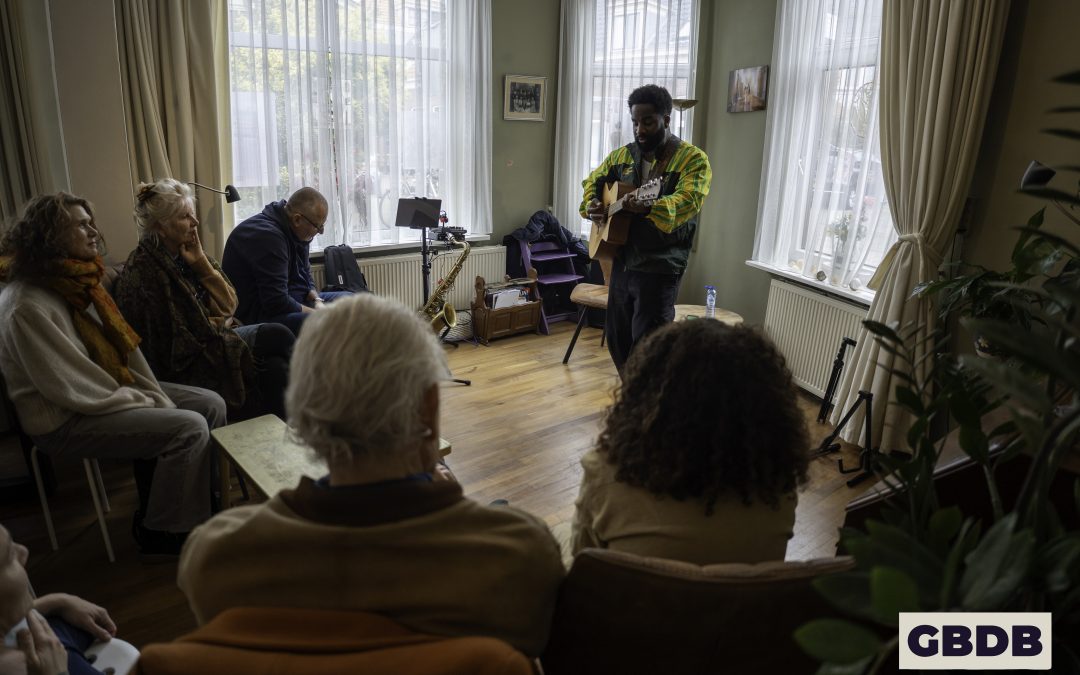
Anyone walking through any residential neighborhood on Sunday, January 31, 2027, might just stumble upon a concert, theater performance, or other event. The Gluren bij de Buren living room festival is celebrating its anniversary and kicks off the jubilee year with its 20th winter edition. In the run-up to the festive edition, the organizers are looking for performing artists and hospitable living room hosts. You can sign up until December 11 via the revamped website.
Twenty years of performing arts and encounter
Since the first edition in 2008, GBDB has grown into a national festival that now takes place in both winter and summer. The basic principle has remained unchanged all these years. Anyone can offer a stage, anyone can perform, and everyone is welcome as a visitor. Living rooms turn into temporary stages, neighborhood residents meet each other, and local talent gets the chance to present itself to a new audience.
Dirkjan van Oord, involved with Gluren bij de Buren from the very beginning: ” Twenty years ago, we could never have imagined that Gluren bij de Buren would become so big. But the best part is that it still revolves around the same thing: people opening their doors, artists sharing their talent, and local residents meeting each other. It is precisely that simplicity that makes the festival so special .”
Participate in the anniversary edition
On Sunday, January 31, 2027, GBDB aims to create stages in over 1,500 locations once again. All types of creators can participate, from singer-songwriters and choirs to cabaret artists, dancers, and theater companies. Residents can register their living rooms. A large house is not necessary: it is precisely the diversity of locations that makes the festival special.
Each act performs three half-hour sets for a changing audience. Visitors can walk in for free and stroll or cycle from living room to living room. In doing so, in addition to surprising performances, they also discover new places and people in their own neighborhood.
Updated website
To mark the anniversary, Gluren bij de Buren has launched a completely revamped website. Participants can easily register here, and visitors will soon find the full program and all the information to put together their own festival route.
Gluren bij de Buren is an initiative of Stichting De Bühne.
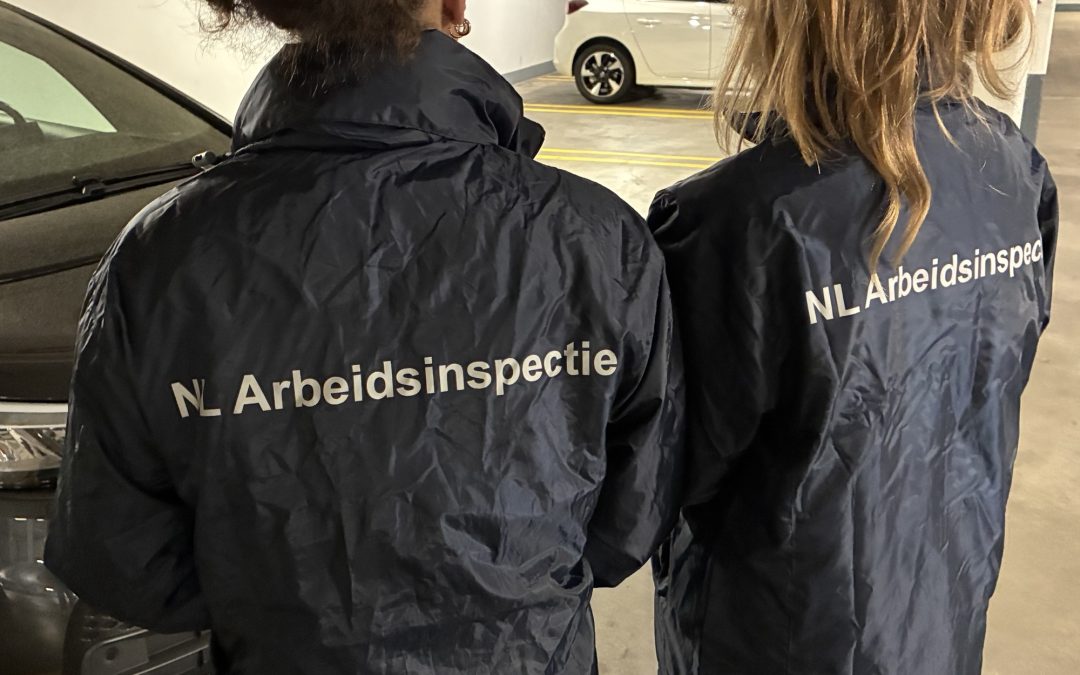
As part of the Week against Human Trafficking from October 12 to 16, the Hague Economic Intervention Team (HEIT), in cooperation with the Netherlands Labour Inspectorate, conducted comprehensive company inspections last week at three companies in The Hague and Alphen aan den Rijn. The reason for this was reports of possible abuses.
During the inspections, the partners involved investigated whether the companies comply with applicable laws and regulations. In doing so, they paid particular attention to signs that could indicate labour exploitation, illegal employment, and other forms of subversive crime.
What was found?
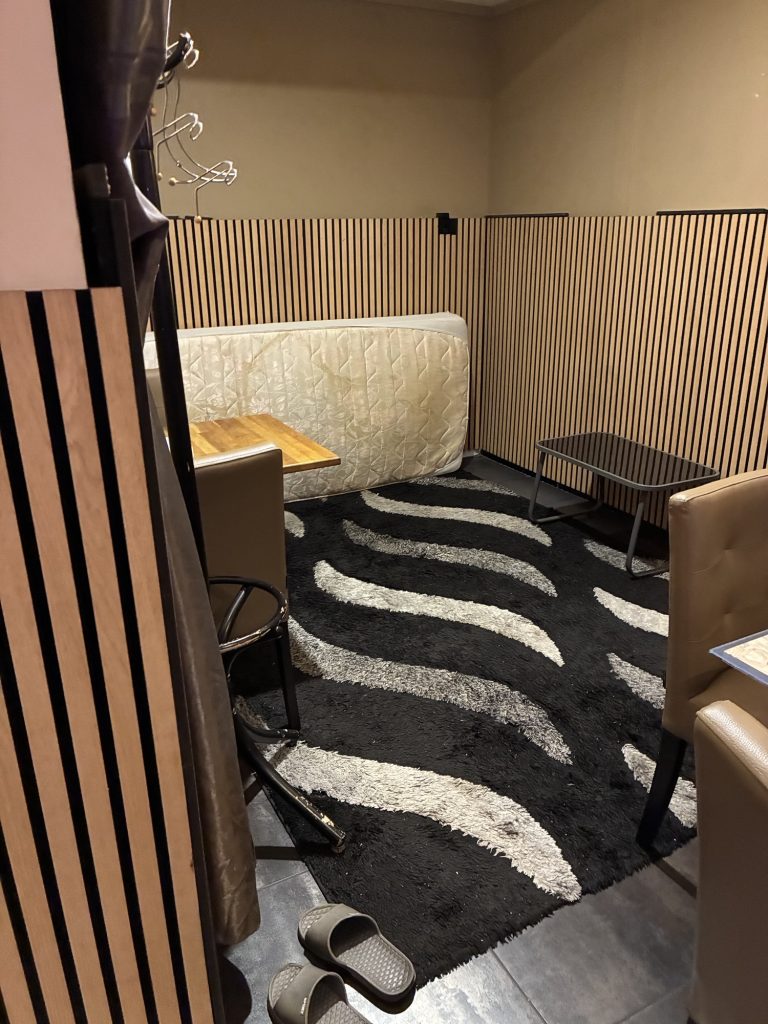
During inspections in The Hague, two indications of violations of the Foreign Nationals Employment Act (Wav) were found, two violations of the Minimum Wage and Minimum Holiday Allowance Act (hereinafter: Wml) were observed, and the Working Hours Act (Atw) was violated twice. There are indications that a number of employees were working without the mandatory work permit (TWV).
Additionally, during the inspection, the police found 2,980 illegal cigarettes in a building. These were relinquished by the owner, and the cigarettes are being handed over to Customs.
In Alphen aan den Rijn, indications have been found of violations of the Minimum Wage Act and prohibited child labour.
All findings of the inspections are further investigated. If violations are established, this may lead to a fine from the Labour Inspectorate, an administrative measure by the municipality, or a criminal investigation.
HEIT
The Hague Economic Intervention Team (HEIT) is a partnership involving municipalities, the police, Customs, the Netherlands Labour Inspectorate, the Netherlands Food and Consumer Product Safety Authority (NVWA), UWV, and the environmental services of Haaglanden (ODH), Midden -Holland (ODMH), and West-Holland (ODWH). The team operates in the municipalities within the The Hague police unit, including Alphen aan den Rijn.
The HEIT is committed to combating subversive crime and other abuses that damage the business and living environment.
Week Against Human Trafficking
With the Week Against Human Trafficking, municipalities, civil society organizations, and law enforcement agencies annually call extra attention to recognizing and reporting signs of human trafficking and exploitation. Everyone can play an important role by reporting suspicious situations.
Report suspicious situations to the police via telephone number 112 (emergency) or 0900-8844. You can report anonymously to Meld Misdaad Anoniem via telephone number 0800-7000.
Demand for retraining is greater than often assumed. The Haaglanden Leert Door training fund received so many applications that its budget was exhausted early in 2026. Thanks to additional funding, the scheme is now reopening, with around 250 extra training vouchers available.
Sectors such as healthcare, social care, construction, technology, ICT, education, childcare and public safety have faced staff shortages for several years. Interest in the fund shows that many people are willing to retrain for work in these areas, with financial support making it easier to take that step.
Since the fund began, more than 3,600 residents have sought advice or support. Almost 2,000 people applied for a training voucher, and more than 500 received one. Hundreds of participants have already started training for occupations where employers urgently need staff.
There is still considerable untapped potential. According to Nur Icar, The Hague’s alderman responsible for employment, the response challenges the assumption that people are reluctant to retrain. When given opportunities to develop their skills, many take them.
Demand was so high that the original budget was fully used, forcing the scheme to close temporarily. The funding ceiling is now increasing from €440,000 to €1,057,000, providing enough funding for approximately 250 additional vouchers.
Haaglanden Leert Door demonstrates how investing in lifelong learning can benefit individual residents while also addressing the persistent labour shortages affecting the Netherlands.
The vouchers are intended for residents of The Hague, Delft, Rijswijk, Midden-Delfland and Westland, aged 18 up to state pension age. People in work on lower incomes, workers whose highest qualification is no higher than mbo level 4, self-employed people and jobseekers who do not receive benefits may qualify. Mbo is the Dutch vocational education system.
The training must lead towards an occupation in a sector experiencing significant staff shortages. Applications can be submitted until 01 July 2027, provided funding remains available. A free advisory appointment forms part of the application process.
For international residents, the programme website and application guidance are in Dutch. The information does not confirm that all courses are taught exclusively in Dutch, or whether application support is available in English. Before choosing a course, ask an adviser about the language of teaching and assessment, any Dutch-language requirements and how qualifications obtained abroad are assessed.
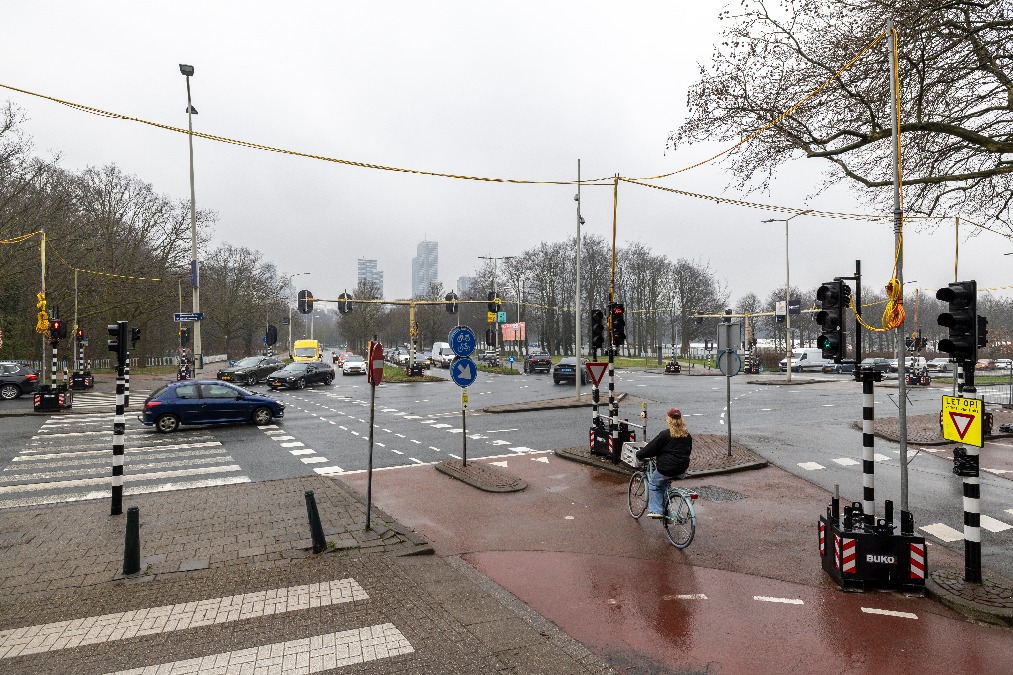
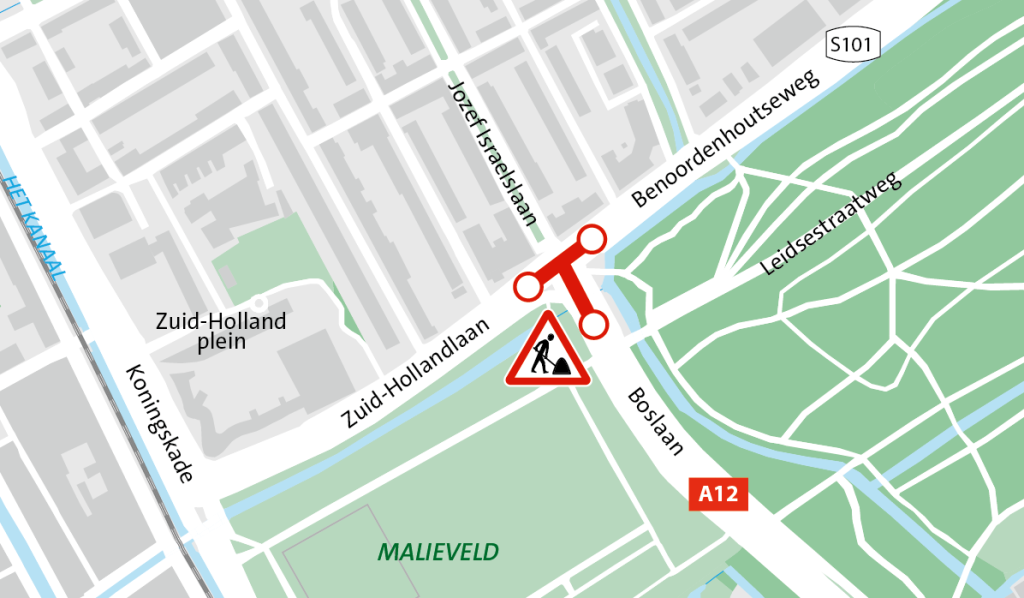
The traffic lights at the junction of Benoordenhoutseweg and Boslaan are being replaced. The existing lights and control system are outdated, and the work will help prevent faults, breakdowns and unsafe situations.
Work began on Sunday 18 October and is expected to finish on Friday 20 November 2026.
Temporary traffic lights will keep the junction accessible to all road users throughout the work. Traffic marshals will direct traffic while these temporary lights are being installed and removed.
Parts of the road will occasionally be closed, including when new detection loops, which sense vehicles in the road surface, are installed. No diversions are planned, but traffic may be heavier than usual, particularly during rush hour. Road users are advised to plan their journeys before setting off.
The new system will use energy-efficient LED lights and respond more effectively to current traffic conditions. It will be set up to help traffic flow smoothly through the junction.
By Percy, founder of Tat2holics, tattoo and piercing studio in The Hague
Almost every week, a parent walks into our studio with a teenager by their side. Some parents are excited. Others are nervous, and a few are quietly hoping we’ll say no. And if you moved to the Netherlands from abroad, you may find that the Dutch rules are quite different from the ones you grew up with.
After years of tattooing and piercing in The Hague, I’ve noticed that the families who handle this well all do the same thing: they talk about it before anyone sits in the chair. This article is meant to help with that conversation. It covers what Dutch law says, how to check a studio, what to ask, what normal healing looks like, and what may happen if you or your teen change your mind about a tattoo one day.
The rules come from the Dutch Commodities Act (Warenwet) and the hygiene guidelines of the RIVM, the national public health institute. In short:
Under 12: no tattoos and no piercings. The only exception is the earlobe.
From 12 until their 16th birthday: a tattoo or piercing is allowed, but only with permission from a parent or guardian, and a parent must be present. Even with permission, a few things are not allowed at this age: tattoos on the head, neck, wrists or hands, genital piercings, and nipple piercings for girls.
From 16: young people decide for themselves. By law, no parental permission is needed.
Studios are allowed to be stricter than the law, and many are. They may also ask for ID when they are unsure about someone’s age.
At Tat2holics we use our own house rules, which are stricter than the law:
Earlobe piercings from age 5, only with a parent present and written permission
Other piercings from 16
Tattoos from 17, and at 17 only with written permission from a parent or guardian
Genital and nipple piercings from 18
Why stricter? A piercing can come out. A tattoo stays for life. Taste changes a lot between 16 and 26, and so does the body. We would rather say “come back next year” than help someone make a choice they will want to undo later.
Every tattoo artist and piercer in the Netherlands needs a permit from the GGD, the regional health service. In The Hague that is GGD Haaglanden. The permit is valid for three years and is tied to the studio’s location, not to one person. The GGD inspects studios against the RIVM hygiene guidelines.
The government website has a search function where you can find licensed studios: veiligtatoeerenenpiercen.nl
You can also simply ask a studio to show you its permit. A good studio won’t mind.
One thing many parents don’t know: someone who only pierces earlobes does not need a permit. They still have to follow the hygiene rules. For anything beyond the earlobe, always choose a licensed studio.
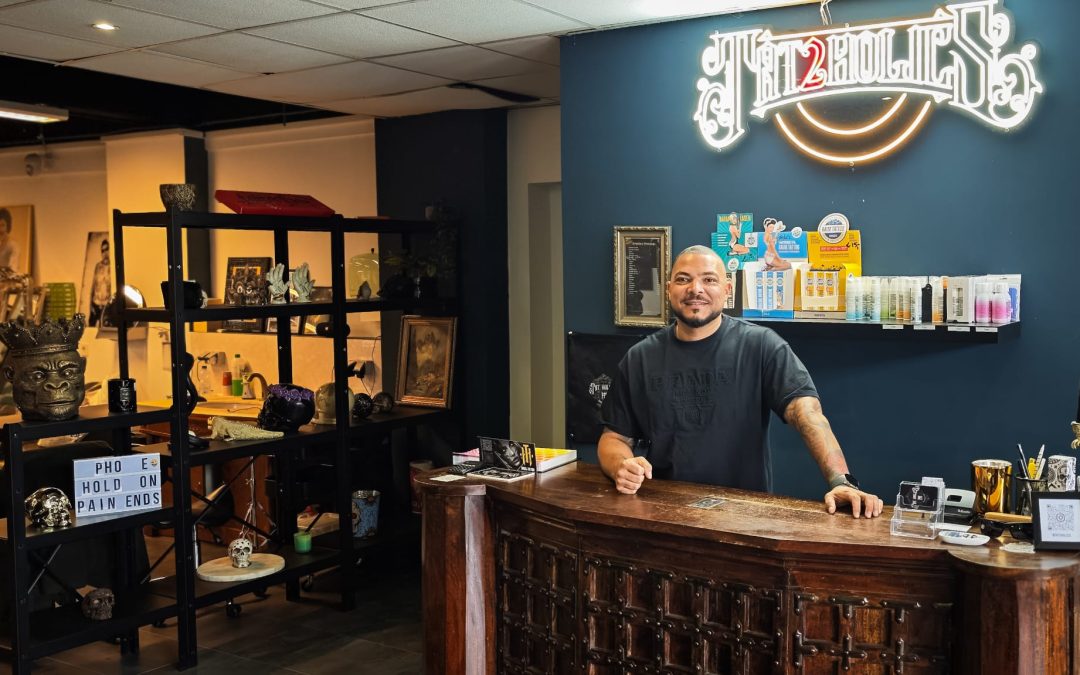
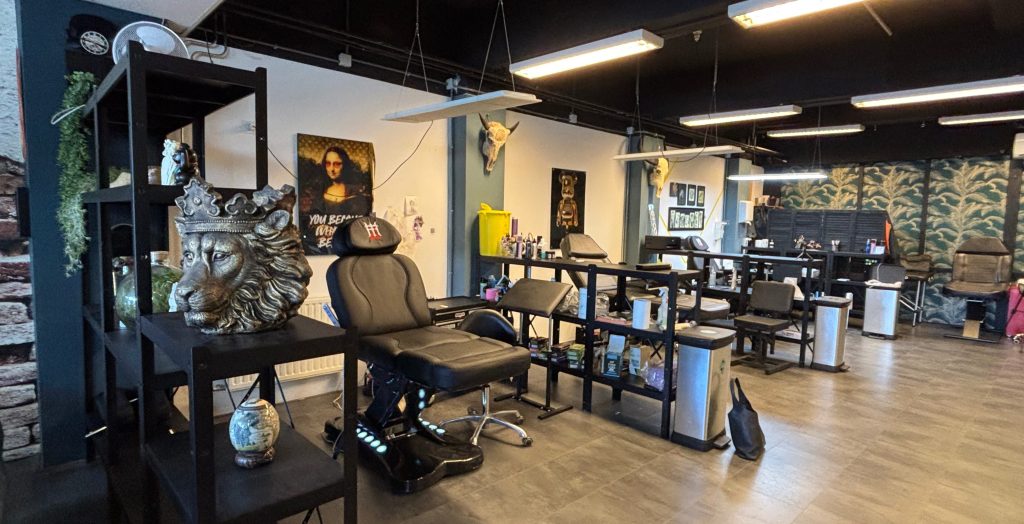
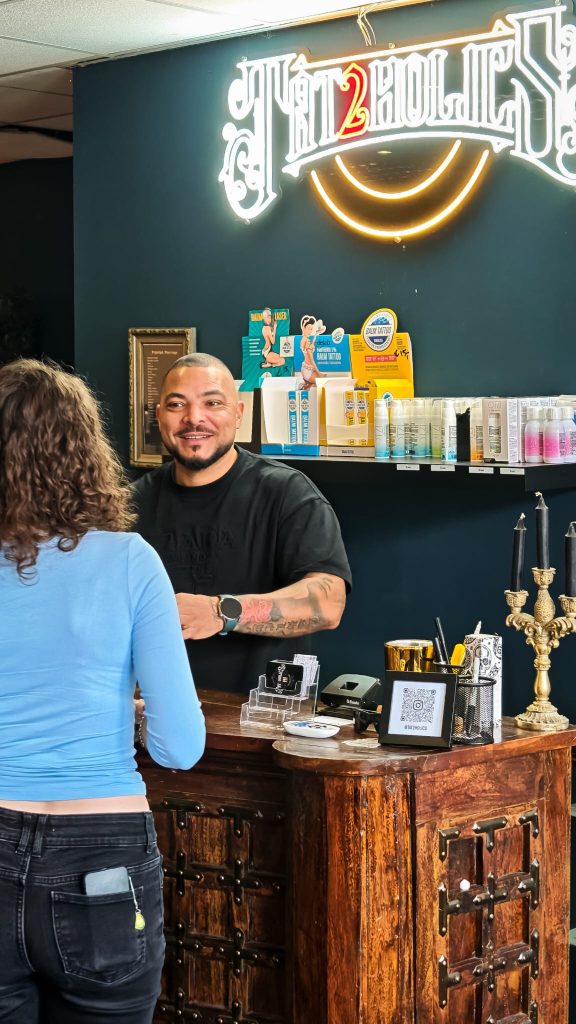
Tat2holics Studio The Hague. Photo: The Hague Online
What is the jewellery made of, and is it sterilised? Under EU rules, jewellery in the body may not release nickel above a strict limit, and for the healing period it should be hypoallergenic and come in sterile packaging. Our advice goes one step further: choose a studio that only works with implant-grade titanium that has been sterilised. That is the standard at Tat2holics. It is the same type of titanium used for medical implants, it contains no nickel that can irritate the skin, and it gives a fresh piercing the best start.
Will we get written aftercare information? For clients under 16, the parent or guardian should also receive information about risks and aftercare before the piercing.
Do you fill in a consent form together with us?
Will you tell us honestly if you think this is a bad idea? A studio that takes the time to say no, or to suggest a smaller or different placement, is usually a studio that cares.
A few warning signs: a studio that doesn’t ask about age, doesn’t use a consent form, or pushes you to decide on the spot.
The RIVM guidelines are the starting point: keep a new piercing clean and as dry as possible, don’t use ointments, sprays or lotions, and stay out of swimming pools, saunas and baths while it heals. Some redness and swelling in the first days is normal.
From experience, we know that good aftercare takes a bit more than rinsing with warm water. A sterile saline solution and a mild antibacterial wash gel help to keep a fresh piercing clean without irritating it. Just as important: not every piercing heals the same way. Cartilage heals differently from an earlobe, and an earlobe heals differently from a navel. Healing time also depends on the placement, the jewellery and how well it is looked after.
That is why the most important tip is this: ask the piercer for advice. A good piercer explains what to do and what to avoid for that specific piercing, gives written aftercare information to take home, and is there for questions while it heals.
Contact your GP (huisarts) if there are doubts about the healing, if your child gets a fever or feels ill in the first days, if itching or redness doesn’t go down after two days, or if symptoms get worse. If your child has a heart condition, check with your doctor before any piercing or tattoo, because some heart conditions carry a higher risk of infection.
Now the other side of the story. Not every tattoo decision works out.
In April 2026, Dutch consumer programme Radar reported that about 5 million people in the Netherlands have a tattoo, that almost one in five of them regrets one, and that among young people this rises to 34%. That is one in three.
We see the reasons behind those numbers in our studio all the time:
A name of an ex, taken at the start of a relationship
A matching tattoo with a friend who is no longer a friend
A trendy symbol that felt meaningful at 17 and feels like a stranger’s choice at 27
A cheap first tattoo from someone at home or on holiday, with lines that have blurred over the years
A spot that turned out to be more visible at work than expected
None of these people were foolish. They were young, and they made a quick decision about something permanent. That is exactly why the conversation at home matters so much.
When a tattoo no longer fits, most people think of laser removal first. Laser can work, but it is a long road. Dutch skin clinics speak of an average of six to eight sessions for full removal, often eight weeks apart, and removal is usually not covered by health insurance. That easily adds up to a year or more.
There is another route: a cover-up. A new tattoo is designed to fully cover the old one, so that the old design disappears into something the person actually wants to wear.
Cover-ups are a craft of their own, and not every studio takes them on. Many of the people who come to us were told elsewhere that their old tattoo could not be covered, or that they should get it lasered first. Covering a dark or large tattoo asks for a different way of designing: you have to plan the new piece around the old lines, choose the right colours and shading, and know how ink behaves on top of ink.
This is exactly what we specialise in at Tat2holics. We have built up the technique and the skills to cover tattoos that other studios turn away, without laser. You can read more about how we approach it on our tattoo cover-up page, but these are the basics:
Every cover-up starts with a free consultation. Our cover-up specialist looks at the skin in person and tells you honestly what is possible.
The old tattoo shapes the new one. The darker and larger the old tattoo, the larger and darker the new design needs to be.
Placement matters. The upper arm, back and belly give the most room to work with. The forearm has less space.
It can take more than one session. A small cover-up is sometimes done in one session. Larger or very dark pieces often need a second layer.
Aftercare matters even more. A cover-up is bigger and denser than a regular tattoo, so it needs careful aftercare to heal well.
Not every tattoo can be covered, and a good artist will say so. But for most people, a cover-up turns something they have been hiding for years into a piece they are proud of again.
If your teenager comes to you with the wish for a tattoo or piercing, these steps help:
Ask why, and listen. The reason often tells you more than the design.
Use a waiting period. If they still want exactly the same tattoo in six months, it is a much stronger choice.
Start small, or start with a piercing. A piercing can be taken out. A tattoo stays.
Think about placement. Hands, neck and face are visible every day, at school, at a job interview and later at work.
Go to a consultation together. Hearing an experienced artist explain the options often calms both sides down.
Don’t just say no and close the door. A flat no can push young people to an unlicensed artist at someone’s home, which is exactly where the hygiene risks and the regret stories start.
By law, yes. From 16, young people decide for themselves. Many studios set a higher age. At Tat2holics, tattoos are possible from 17, and at 17 only with written permission from a parent or guardian.
Not every tattoo, but most can. It depends on how dark and large the old tattoo is, and where it sits on the body. A free consultation will tell you what is possible for your specific tattoo.
Tat2holics is a tattoo and piercing studio at Lekstraat 227 in The Hague, founded in 2017. The studio has won prizes at Dutch tattoo conventions three times and specialises in cover-ups. Parents and teens are welcome to drop by with questions, or to read more about piercing in The Hague first. Tat2holics is open Tuesday to Saturday from 11:00 to 19:00.
Text: Tat2holics
Images: The Hague Online
The Hague Online visited Tat2holics to meet Percy, take photos, get a first hand experience of the studio and received services in exchange for this article.It was a genuinely positive experience