
Invited by the venue to experience the workshop. The Hague Online retained editorial control, and the views expressed are the writer’s own
Ever wanted to make pasta, pizza or focaccia from scratch? Well, its easier than you think.
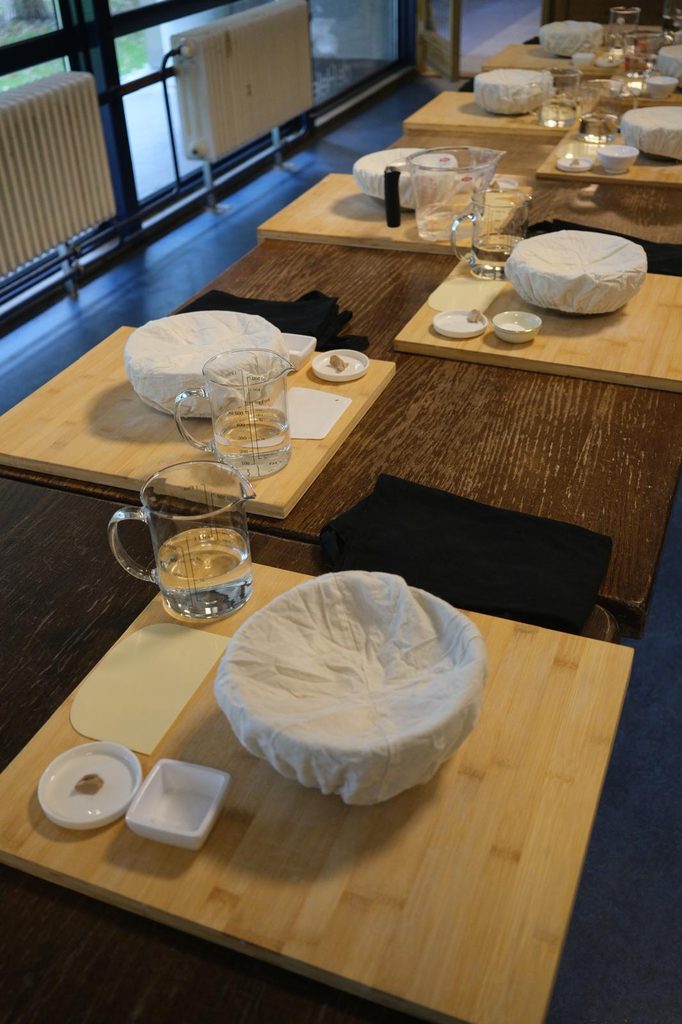
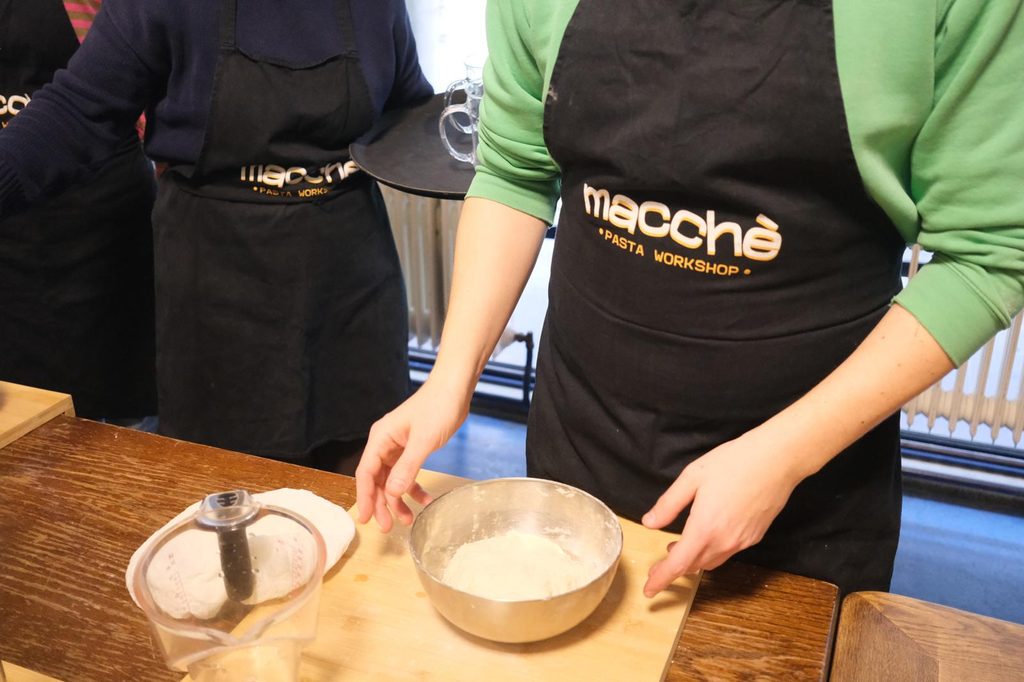
I recently attended a pizza-making workshop with Macché in The Hague, and left with flour on my hands, a very full stomach, and the warm, slightly chaotic feeling of having spent an afternoon in someone’s Italian grandmother’s kitchen. In the best possible way.
Macché is the brainchild of couple Antonella Cerroni , originally from the south of Italy, and Alessandra Soro, who hails from Rome. The two have been living in the Netherlands for around ten years, and the story of how Macché came to be is as charming as the workshops themselves. When the couple were saving up for their wedding, a friend asked them to teach her how to cook. The idea planted a seed — why not share what they knew with more people? What started as a way to save for a wedding became a genuine passion for watching others discover the joy of Italian cooking. Later, they were joined by Daniele Di Bella from Sicily, who had moved abroad to The Netherlands wanting to experience life in a new country. With a background in Michelin-starred restaurants and previously head baker positions, Daniele brought an added layer of craft and expertise to the team.
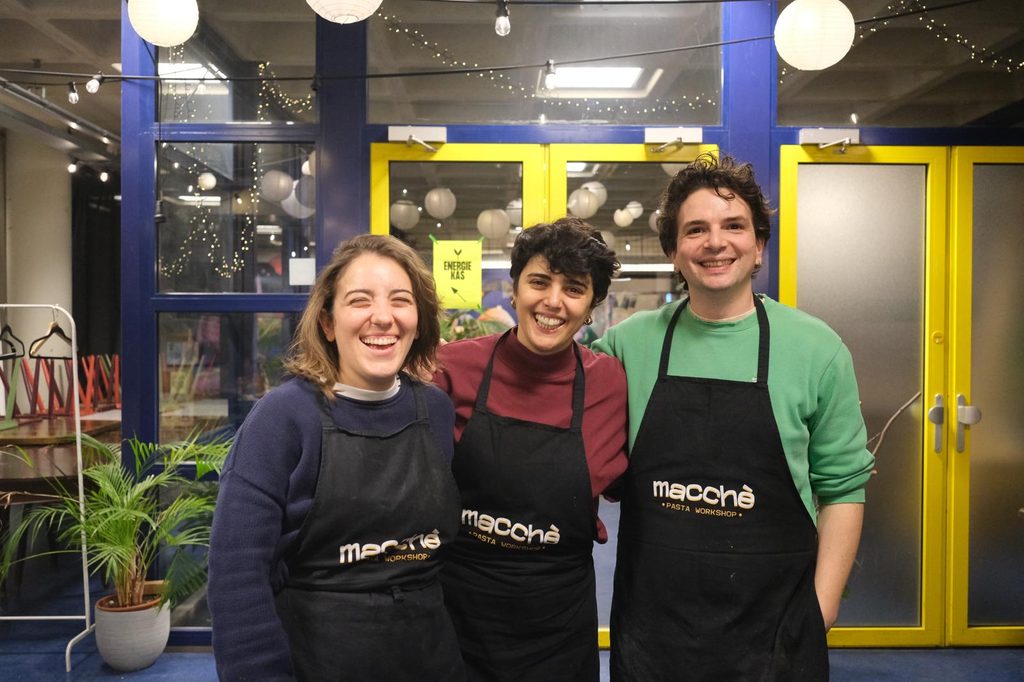
Macché is coming up on its first year, and already the Italian community in The Hague — which, it turns out, is a significant and tight-knit one — has embraced it warmly. Antonella tells me that whenever you mention you’re from Italy, people in the city simply light up.
What makes Macché stand out, beyond the warm and welcoming atmosphere, is that all of their workshops are entirely vegan. This might surprise some, but it really shouldn’t — Italian cooking has been naturally plant-forward for centuries.
Long before “plant-based” became a trend, the culinary tradition known as cucina povera — literally, “the cooking of the poor” — was the backbone of Italian food culture. In the rural and working-class communities of the south, particularly in Puglia, Calabria, Campania, and Sicily, families ate what they could grow or store: legumi such as beans, lentils, and chickpeas; wild greens; tomatoes; garlic; onions; ancient grains like farro; and always, always olive oil. Meat was a luxury that most simply could not afford. Livestock required land, feed, and resources that peasant families did not have — and when animals were kept, they earned their place through labour, milk, or eggs rather than ending up on the table. When meat did appear, it was typically reserved for major religious holidays, weddings, or the occasional Sunday feast, and even then used sparingly to flavour a large pot of stew rather than served as a centrepiece in its own right.
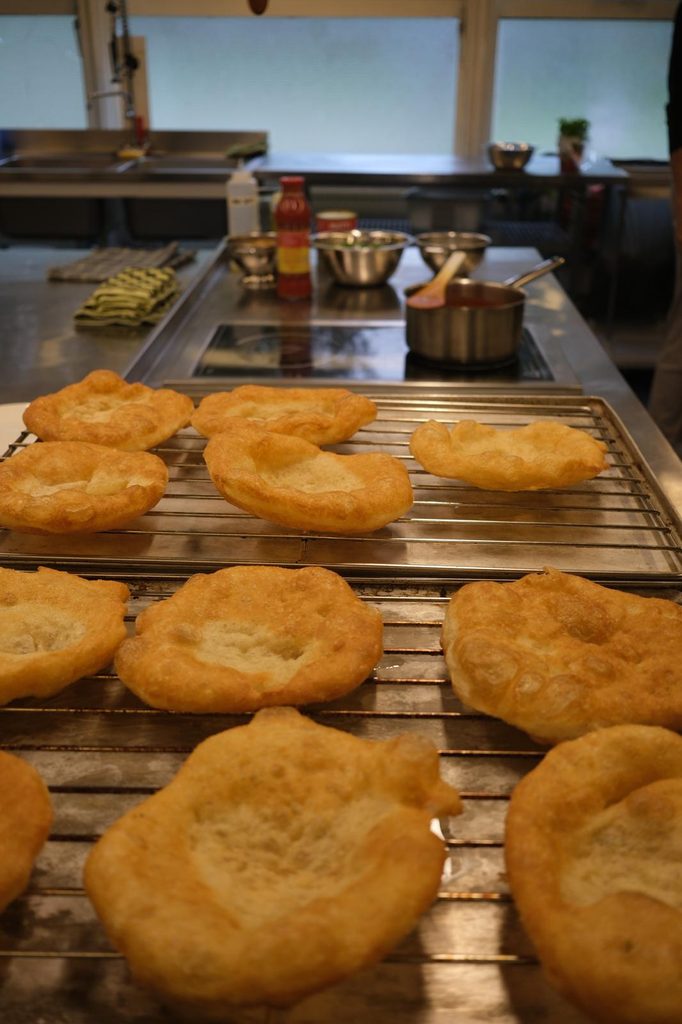
What cucina povera also gave us was an extraordinary philosophy of zero waste. Stale bread was never discarded — it was transformed into dishes that have since become icons of Italian cooking: ribollita, the hearty Tuscan bread and vegetable soup; pappa al pomodoro, a thick, warming tomato and bread soup; or ground into a crunchy topping for pasta in place of expensive grated cheese. Ingenuity, not abundance, was the mother of invention.
Antonella and Alessandra grew up cooking this way, learning around a family table in the way so deeply typical of Italian culture. Macché simply makes that tradition visible — and celebrated.
Looking ahead, Macché is planning a series of events that will take guests on a culinary journey through all the regions of Italy — a reminder of just how vast and varied Italian food culture truly is. From the butter-rich risottos of the north to the sun-soaked tomato sauces of Sicily, Italy is not one cuisine but many, and Macché wants to show The Hague all of them.
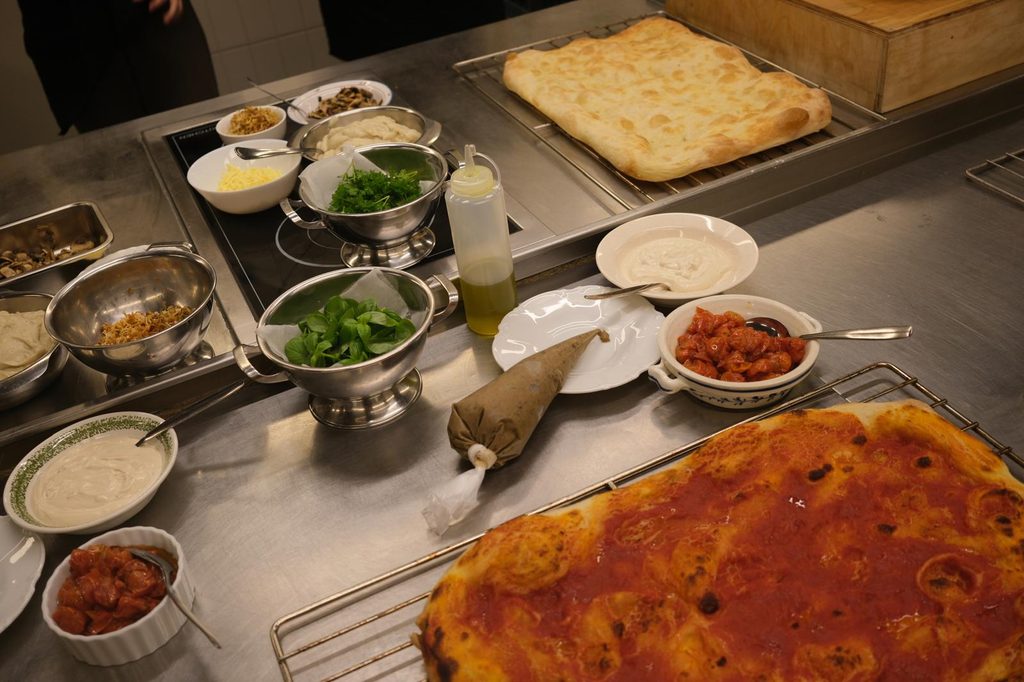
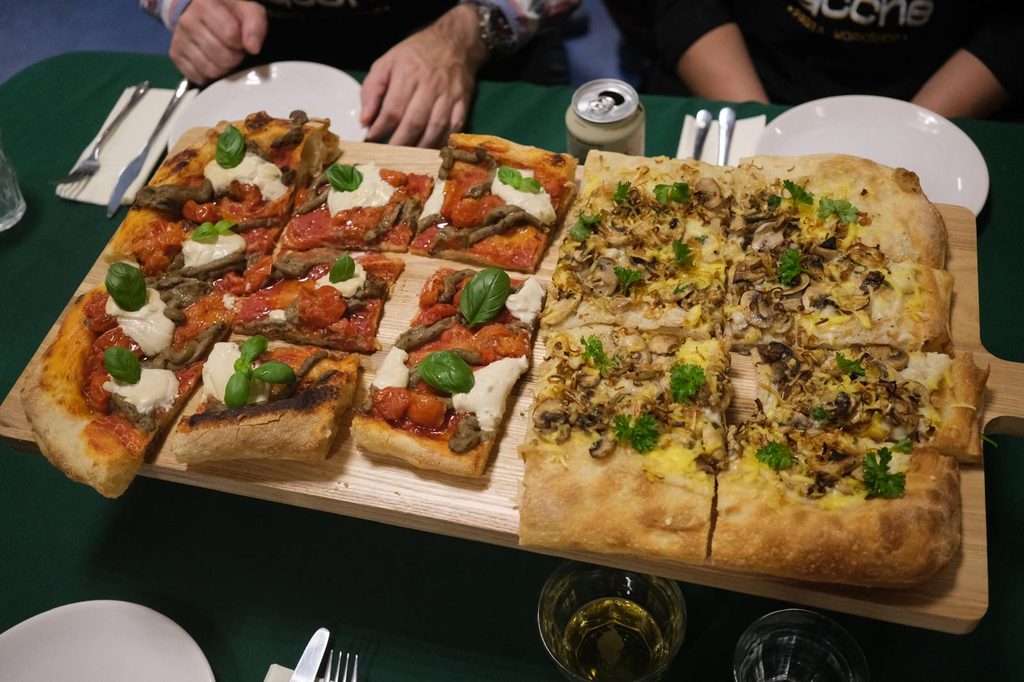
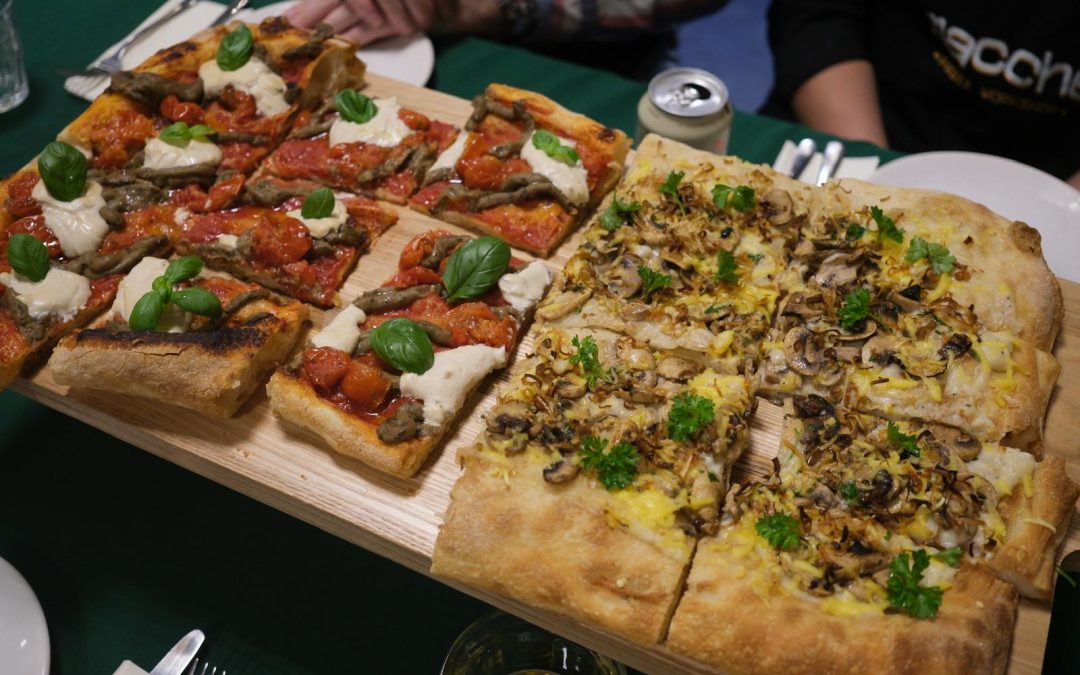
Whether you’re an experienced cook or someone who has never attempted fresh dough in their life, a Macché workshop offers something rare: the feeling of being welcomed into someone’s home, fed well, and sent back into the world a little happier than when you arrived. On the day, we made two pizzas — a tomato base with lemon ricotta, aubergine, and basil, and a white pizza with béchamel sauce, fried leeks, and parsley. Unexpected combinations, and so satisfying that you completely forget every ingredient on the table is vegan.
Photos by: Sherika Rooplal-Clappers
Keep an eye on their Instagram for upcoming regional tasting events — and book a workshop via their website – be quick as spaces fill up fast. Tip! A workshop also makes a great gift for the coming festive season
Do you have a story about your own café, restaurant or bar in the city? Reach out to sherika@thehagueonline.com to possibly be featured.
Sherika Rooplal-Clappers is a contributing writer for The Hague Online, covering culture, lifestyle, and local events. With a passion for storytelling and international perspectives, she highlights the people, places, and experiences that make The Hague a dynamic city.
Connect with Sherika here