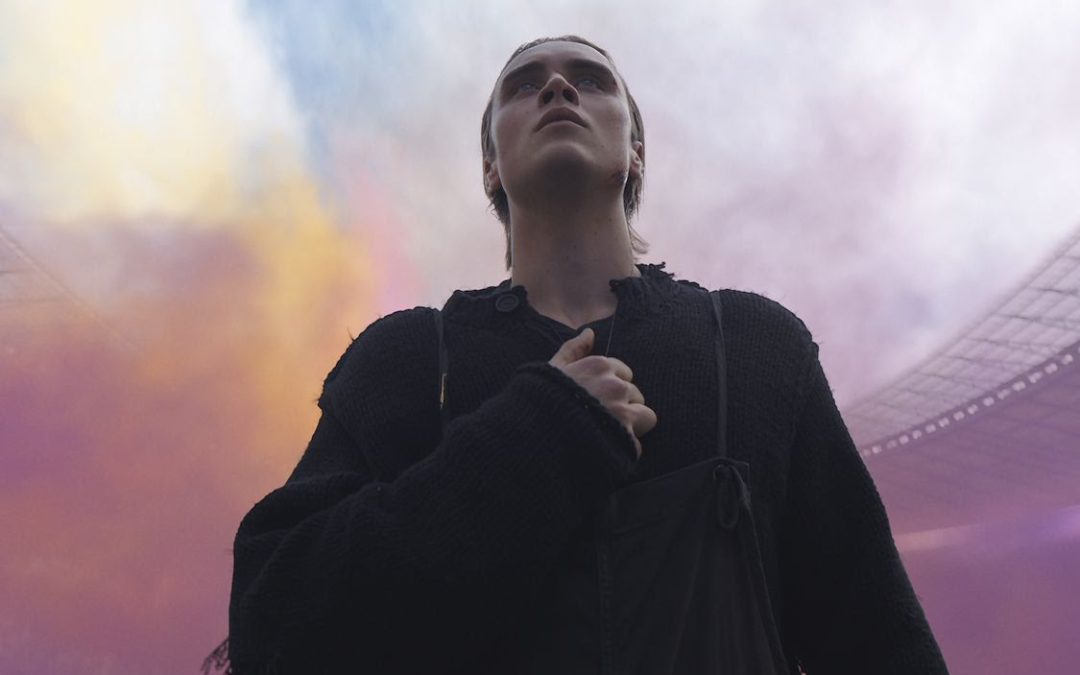
Now that autumn is in full swing and the evenings are getting longer, the perfect season for a visit to the cinema has arrived. This month sees the release of the new installment of The Hunger Games: Sunrise on the Reaping , a compelling new chapter in the popular franchise. In addition, various other top films are on the program, such as the drama Wild Horse Nine, the crime thriller How to Rob a Bank , the wintry Ebenezer: A Christmas Carol , and the comedy Focker In-Law . Together, they offer a varied autumn program on the big screen.
Pathé Specials
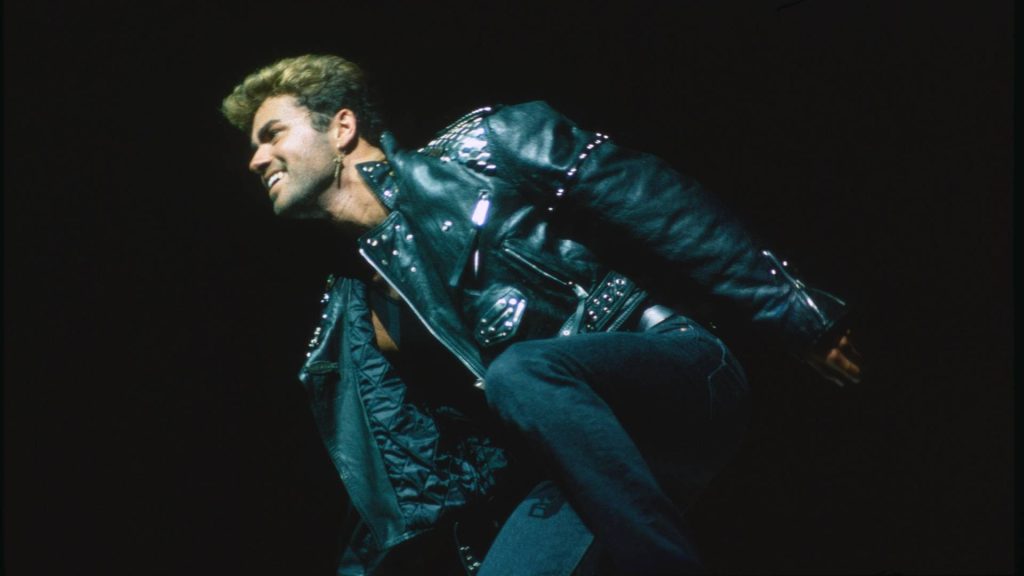
George Michael: The Faith Tour – November 5 (IMAX)
George Michael was one of the most influential stars of his generation and left his mark on that era as a singer and songwriter. In this new concert film, compiled from rediscovered and never-before-seen 35mm footage of his performance at the Palais Omnisports de Paris-Bercy in 1988, you see George at his creative peak during the unprecedentedly successful Faith Tour.
George Michael: The Faith Tour @2026 Universal Pictures International (UPI). All rights reserved.
New top movies at Pathé
How to Rob a Bank – November 12 (Dolby, 4DX)
In How to Rob a Bank, a gang of bank robbers streams their daring heists. While they are very skilled with social media, they do not realize that their growing popularity is attracting the attention of an experienced FBI agent and a brilliant software designer. As they increasingly focus on the gang, the criminals go to extreme lengths, risking everything for their convictions and their most ambitious heist to date.
In November, Johnny Depp can be seen as Ebenezer Scrooge. A familiar name, a new story. In Ebenezer: A Christmas Carol by Ti West (MaXXXine, Pearl), the cast also includes Rupert Grint, Andrea Riseborough, Sam Claflin, Daisy Ridley, Arthur Conti, Ellie Bamber, Henry Lloyd-Hughes, Charlie Murphy, as well as Tramell Tillman and Ian McKellen.
The Hunger Games: Sunrise on the Reaping – November 19 (Dolby, IMAX, 4DX, ScreenX)
The Hunger Games: Sunrise of the Reaping takes us back to the world of Panem, 24 years before the events of The Hunger Games. The story begins on the morning of the Reaping (the lottery) for the 50th Hunger Games, also known as the Second Quarter Quell, where a young Haymitch Abernathy is selected.
Meet the Parents: Focker In-Law – November 26 (Dolby)
In November, comedy legend and Emmy winner Ben Stiller and two-time Oscar® winner Robert De Niro are reunited in Meet the Parents: Focker In-Law , a new chapter in the successful Meet the Parents series. They are joined by Grammy winner and Oscar® nominee Ariana Grande.
In the Picture
No standard blockbusters, but absolute must-sees. With the In the Picture label, we put the spotlight, especially for you, on the most special, compelling, or impressive films that our experts believe you shouldn’t miss on the big screen. Under this label, our team selects the finest (crossover) films that border on the art-house genre, especially for you. Barrier-free, accessible, and with one clear promise: these are films you don’t want to miss.
Wild Horse Nine – November 5 (Dolby)
Shortly before the Chilean coup of 1973, CIA agents Chris (John Malkovich) and Lee (Sam Rockwell) are sent from Santiago to Easter Island by their superior, MJ (Steve Buscemi). Amidst the iconic images of the island, the longtime partners are confronted with their dark past and the intrigues of the present. When Chris unexpectedly forms a bond with two rebellious students (Mariana di Girolamo and Ailín Salas), their stay in this remote paradise threatens to spiral completely out of control.
Club Kid – November 12
The wild nightlife of a New York club promoter is turned completely upside down when his 10-year-old son, of whose existence he knew nothing, suddenly appears in his life.
I Play Rocky – November 19
I Play Rocky tells the true story of Sylvester Stallone, a still unsuccessful actor with one big dream. Determined not only to write Rocky’s story but also to play the role of Rocky Balboa himself, he risks everything to make his dream a reality.
Fatherland – November 19
In the summer of 1949, at the height of the Cold War, writer and Nobel Prize winner Thomas Mann (Hanns Zischler) and his daughter Erika (Sandra Hüller) embark on an emotional road trip through a devastated and fractured Germany. In a black Buick, they drive from US-dominated Frankfurt to Soviet-occupied Weimar. After sixteen years of exile in the United States, Thomas Mann is confronted not only with a divided homeland but also with a tragedy within his own family.
Classics
With Pathé Classics, Pathé brings beloved films back to the big screen, and in November, everything revolves around heartwarming winter films.
Paddington 2 – 14 November
In the long-awaited sequel to the worldwide family hit, Paddington is now happily living with the Brown family in Windsor Gardens. He has grown into a beloved member of the community and spreads joy—and marmalade—wherever he goes. While searching for the perfect gift for his beloved Aunt Lucy’s hundredth birthday, Paddington discovers a unique pop-up book in Mr. Gruber’s antique shop. He takes on all sorts of odd jobs to buy the book, but then it is stolen. It is up to Paddington and the Brown family to unmask the thief when Paddington gets the blame.
For the kids at Pathé
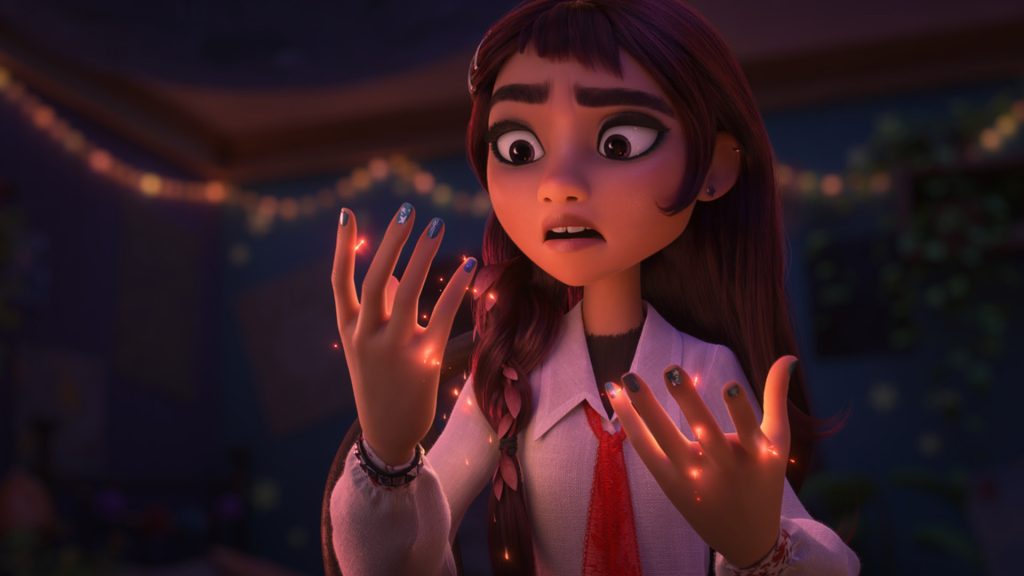
Disney’s Hexed – November 25
In Disney’s Hexed , the brand-new magical coming-of-age film from Walt Disney Animation Studios, impulsive and headstrong teenager Billie (voiced by Hailee Steinfeld) discovers that she possesses secret magical powers. When these powers are unexpectedly unleashed, she finds herself in a spectacular adventure that takes her from her quiet suburb to Hexe: a mysterious world full of witches. Billie is forced to join forces with her cautious mother Alice (voiced by Rashida Jones). Together, they uncover family secrets that could change the world of the witches forever.
Pathé Thuis
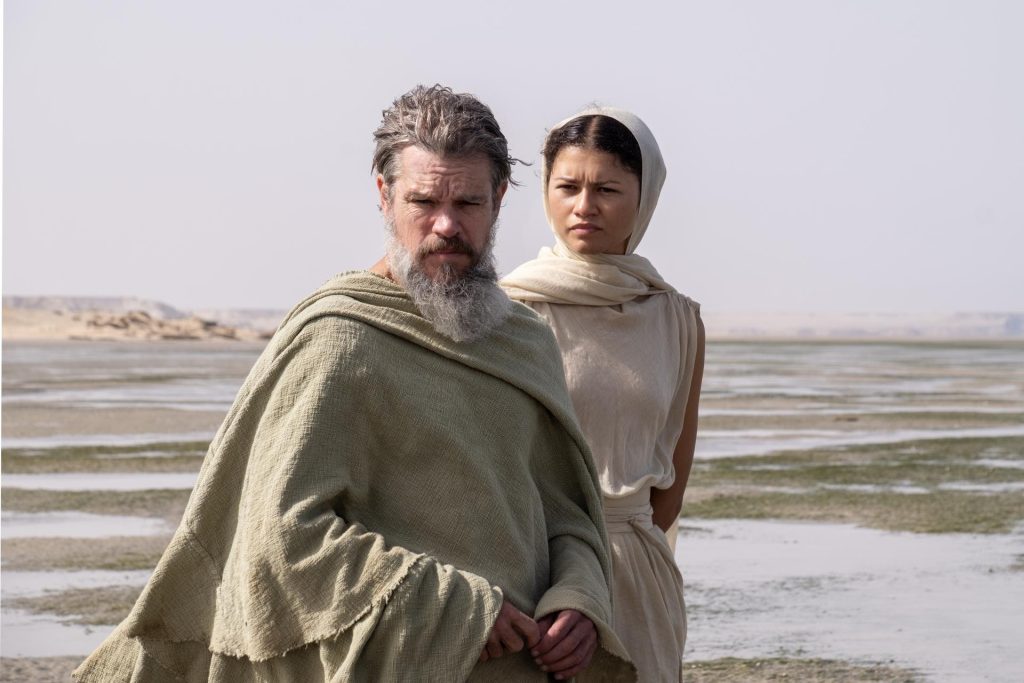
The Odyssey – November 18 (Premium available)
Christopher Nolan’s new film The Odyssey is an adventurous mythical epic that was filmed on locations all over the world using groundbreaking IMAX® film technology.
L to R: Matt Damon is Odysseus and Zendaya is Athena in THE ODYSSEY, written, produced, and directed by Christopher Nolan.
Release dates and screenings may change, so check Pathé directly for the latest programme, participating cinemas and tickets.
Pathé is the first and largest cinema brand in the Netherlands, founded in Paris in 1896 by true pioneers of film: the Pathé brothers. Their aim was to share the wonderful world of film with as many people as possible. Throughout the Netherlands, Pathé has 30 locations, 253 screens and 1,900 employees. Through its wide range of films, livestreams of opera, sports and gaming, among others, the latest techniques such as IMAX, 4DX, Dolby Cinema and ScreenX, and business events, Pathé creates special and unforgettable cinema stories for all.
Disclaimer& Copyright notice
Pathé is a partner of The Hague Online, and we receive cinema tickets in exchange for sharing monthly updates and links on our website and in our enewsletter. Text is provided by Pathé in Dutch and translated into English by The Hague Online. Images are provided by Pathé. Text and images may not be copied and shared without written permission.
When South African entrepreneur Elizabeth Joss moved to The Hague in 2013, she had little idea of the challenges that lay ahead. From finding accommodation and understanding unfamiliar Dutch systems to building a social circle, adjusting to life in the Netherlands took quite some time!
Elizabeth moved to the Netherlands alone in 2013, initially spending a week in a hotel before finding accommodation. Although she was excited about the opportunities ahead, the transition was not straightforward.
“When I first arrived, I remember feeling pretty lonely and worried about the future. I was fortunate to meet some wonderful colleagues through work, and I’m still in touch with some of them today. But building a life somewhere new takes time, especially when you don’t have an established support network around you.”
Beyond the social challenges, she found the amount of practical information about living here overwhelming. This included everything from understanding rental arrangements and health insurance to opening a bank account and making sense of Dutch bureaucracy. “In the beginning, you think you can just Google it all to find the answers you need, but in the end, seemingly simple tasks can take hours of research and cross-checking,” explains Elizabeth.
“When I arrived, there was so much information available online, but it was scattered across different websites (and back then, most of it wasn’t even in English). I often didn’t know where to start or which sources to trust. Sometimes I just wished that someone would explain things to me in plain English.”
Over time, Elizabeth came to appreciate many aspects of Dutch life, from its infrastructure and cycling culture to the opportunities for enjoying the outdoors. But she also learned that adjusting to a new country takes patience. The high cost of living, dark winters, and cultural differences can make the first few years particularly challenging, especially for those arriving on their own.
Turning personal experience into SecondSoil
The idea for the SecondSoil app came directly from Elizabeth’s experiences of moving to the Netherlands and recognising how many practical questions internationals face when relocating and settling into a new country.
“There’s not always one answer to the questions that newcomers face. There are different answers for different situations. And finding out what you need can be a huge challenge.”
“I created SecondSoil as something I would have found useful when I first arrived. Not another complicated website or pages of AI-generated answers that need to be double-checked, but a practical, easy-to-use resource you can download on your phone that helps you understand how things work here. People can listen to the audio guides on the go, or simply navigate to a specific category in the app and find the most important information they need in a few bullet points. Sometimes hearing a friendly voice who’s been through it all can make you feel a little better and less lonely.”
Making everyday Dutch life easier to understand
For Elizabeth, the aim is to make reliable, practical information easier to access, particularly for people who are unfamiliar with Dutch systems or unsure where to begin.
While The Hague has become home, she hasn’t forgotten what it felt like to arrive without knowing how everyday life worked. And although the Netherlands has much to offer, she believes internationals also benefit from realistic expectations about the challenges they may encounter.
“Moving abroad can be a wonderful experience, but it isn’t always easy. It can be extremely difficult at first, especially if you’re arriving here alone, like I did. There are exciting moments, but there are also times when you feel completely out of your depth, and you don’t always know where to turn.”
For those just starting their lives here, her advice is simple: settling into a new country takes time, but having the right information and the right people around you can make the process a lot easier.
About SecondSoil
SecondSoil is an English-language app offering short, human-recorded audio guides, practical articles, and useful resources for people moving to or living in the Netherlands. It offers both free and premium content, allowing users to explore essential topics before deciding whether they would benefit from additional guidance.
The Android version launched on Google Play in October 2026.
Venue provided complimentary food and drinks during Sherika’s visit for this feature. The Hague Online retained editorial control, and the views expressed are the writer’s own
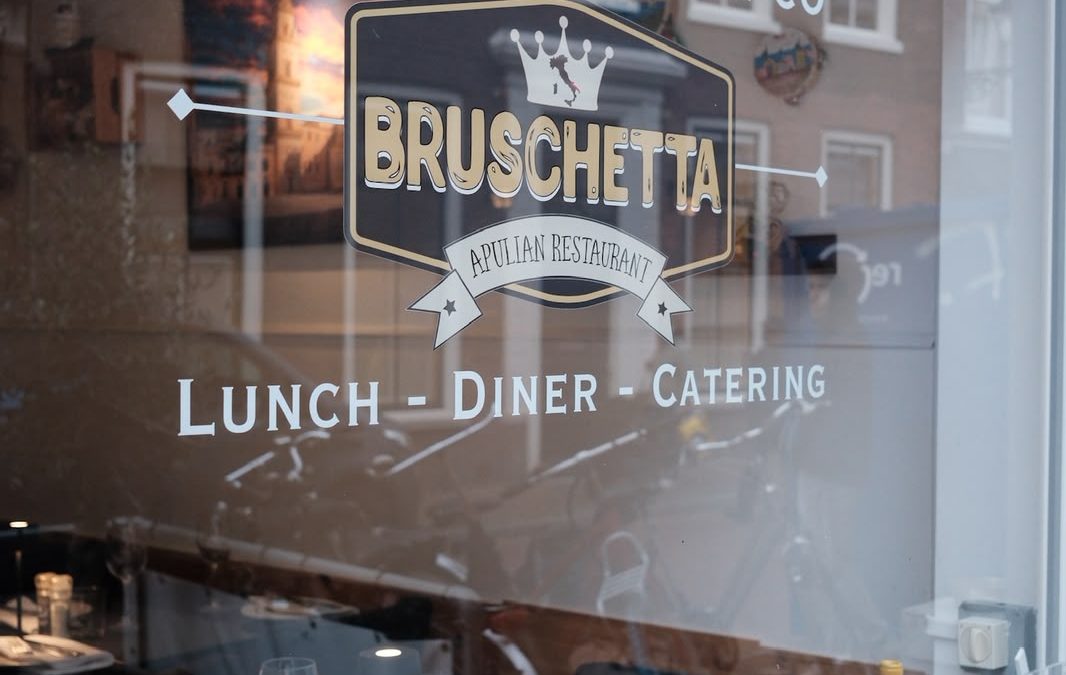
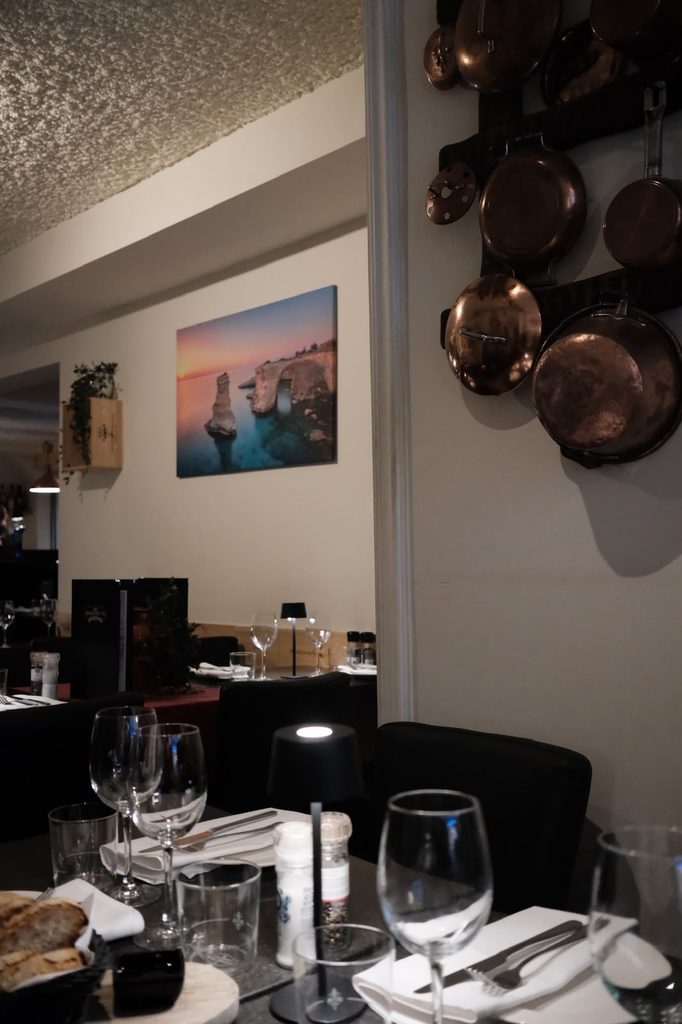
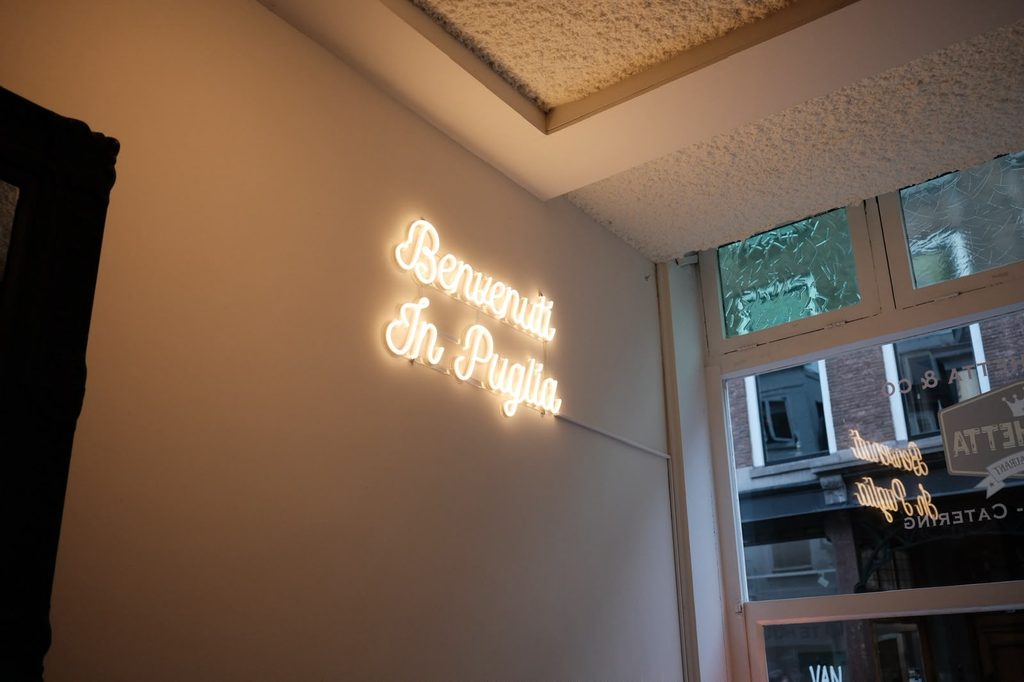
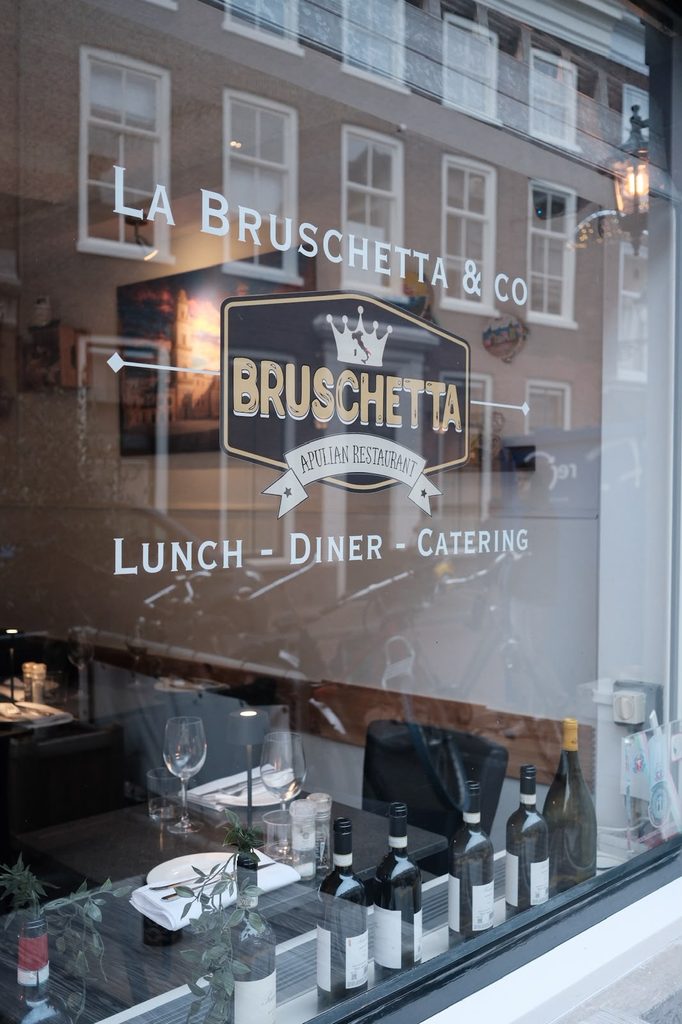
Some restaurants feed you. The great ones transport you. La Bruschetta & Co, tucked along The Hague’s charming Denneweg, is in the second category. From the moment you walk in, something shifts. The walls are lined with photographs of Puglia — sun-bleached coastlines, dusty piazzas, the kind of images that make you want to book a flight immediately. Copper pots and pans hang overhead, a gift from the owner Francesca’s father, and the whole space carries the warmth of a family kitchen rather than a restaurant. Informal, cosy, and entirely unpretentious — this is exactly the kind of place you want to find on evening out.
Francesca opened La Bruschetta in 2018, leaving her home region of Puglia in search of new opportunities and a bigger life. She brought with her something that cannot be manufactured: a deep, lifelong relationship with food. Growing up in the south of Italy, cooking was not a skill you learned from a book — it was something absorbed at the kitchen table, passed down through generations, inseparable from family and memory. That upbringing is present in every dish that leaves her kitchen.
In the early days of La Bruschetta, Francesca’s mother would make fresh pasta by hand in front of the restaurant window — and locals along the Denneweg would stop to watch. It is one of those details that tells you everything you need to know about what this place is built on. Today, nearly 90% of the staff are from Puglia, which perhaps explains why the experience feels so cohesive and genuine.
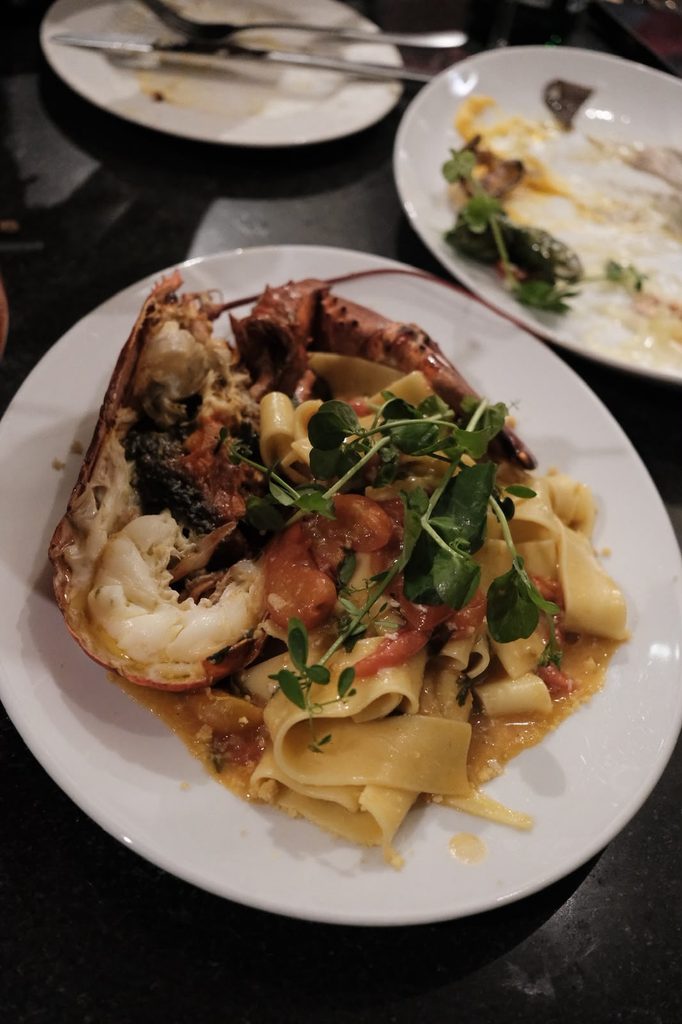
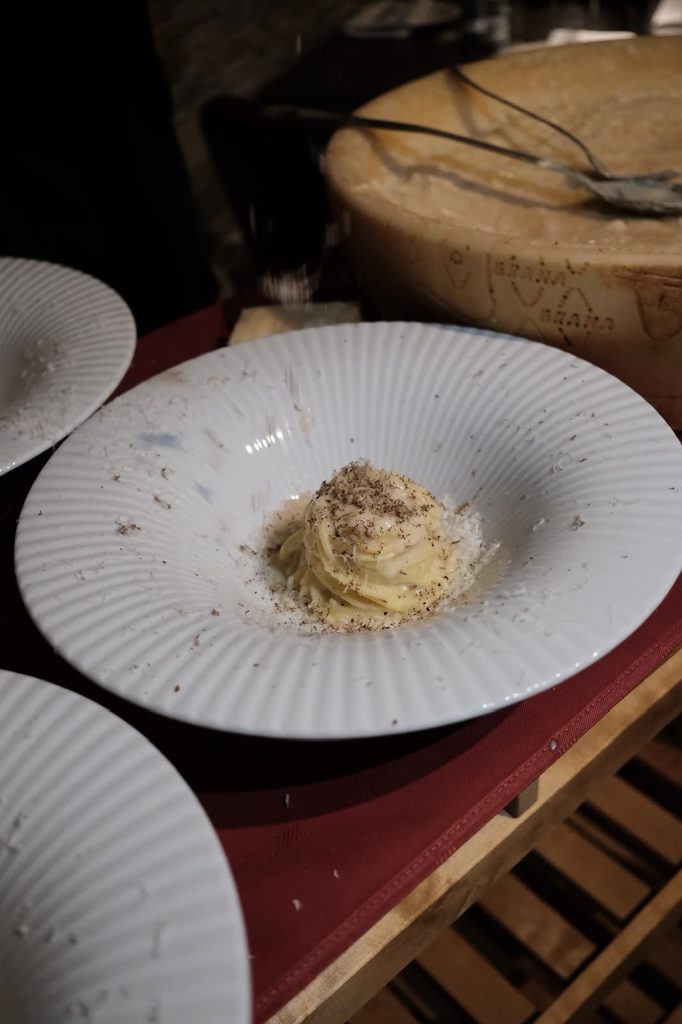
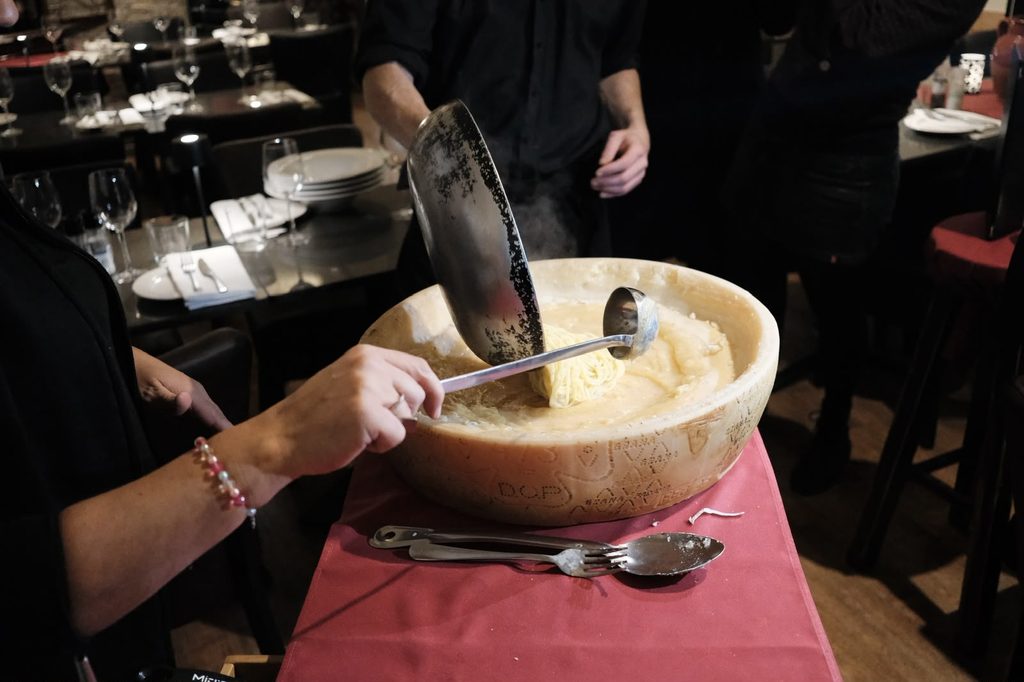
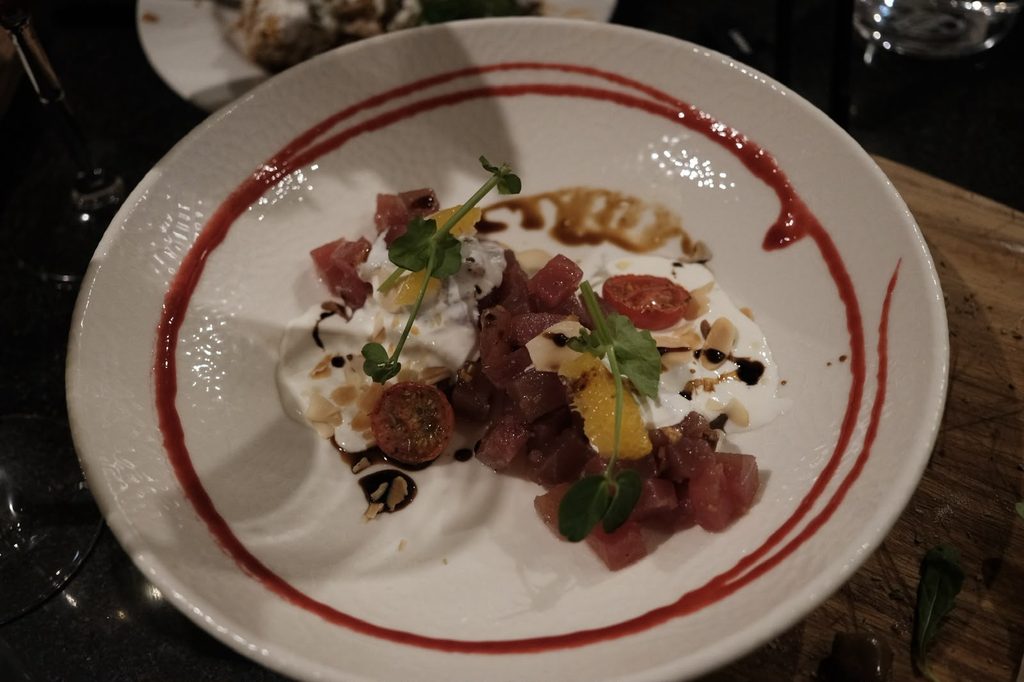
The menu leans heavily into the traditions of Apulian cooking, and the pasta is where La Bruschetta really earns its reputation. It is, without question, the course most recommended by regulars — and having tried both the seafood pasta and the Tartufo truffle pasta on my visit, I understand why completely. The seafood pasta was rich and deeply flavoured. The truffle pasta was elegant and indulgent in equal measure and quite the theatrical watching it being prepped in the giant parmesan rind before being elegantly plated. Both felt entirely authentic — not the watered-down version of Italian cooking so often found elsewhere, but the real thing.
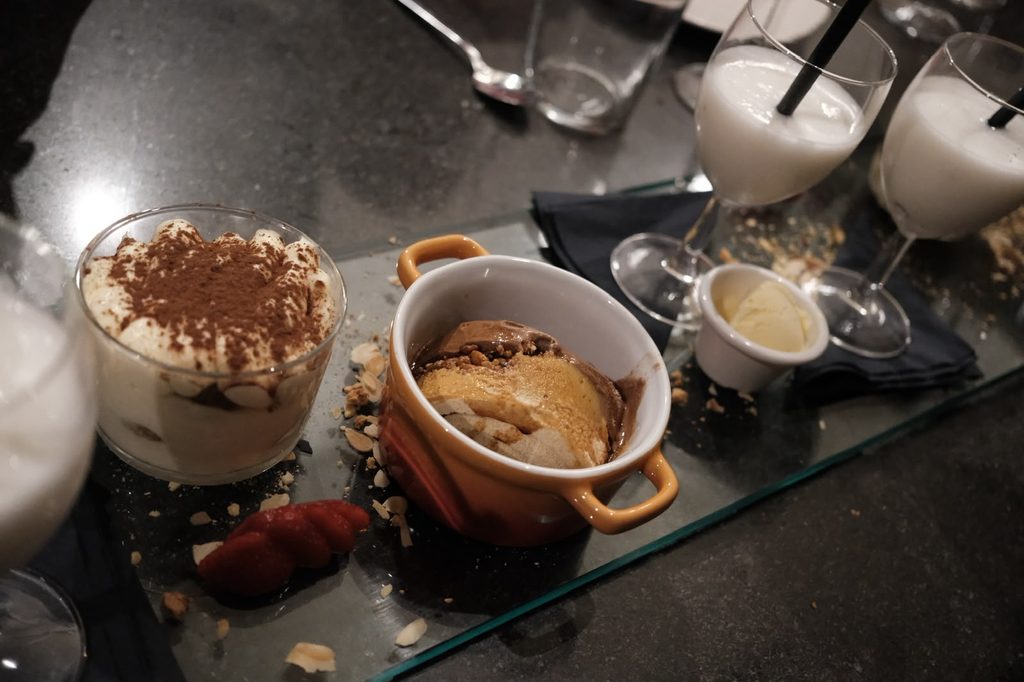
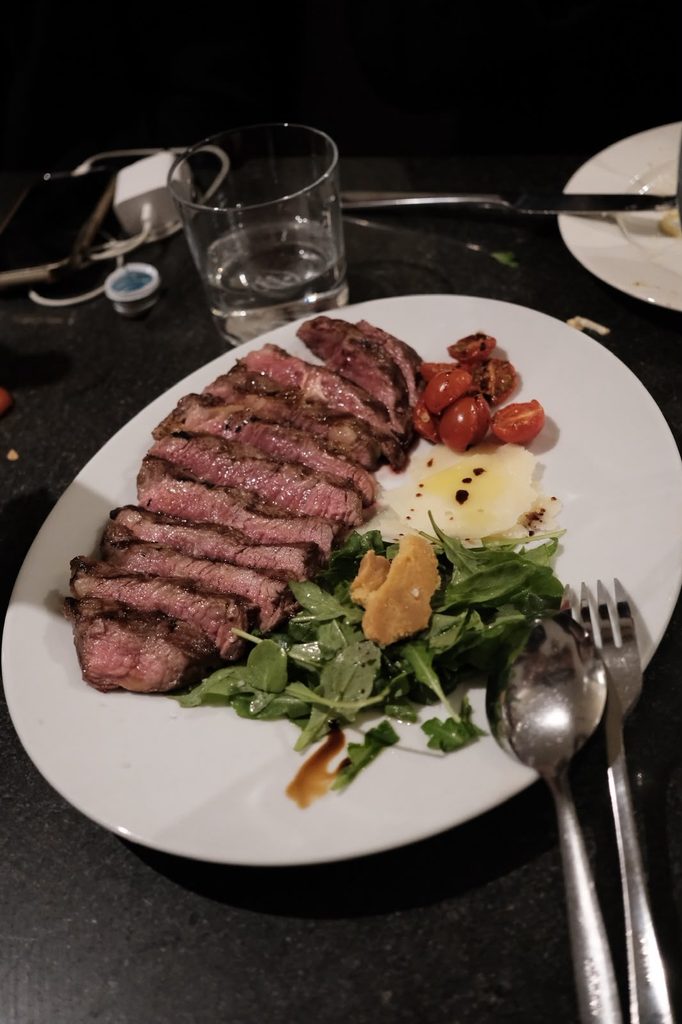
The grilled rib eye was equally impressive – well-rested, and treated with the respect good meat deserves. The mixed seafood platter was light, cooked well and included a good variety. And then there were the desserts, classics like tiramisu and sgroppino, which I will simply say should not be skipped under any circumstances. The wine list is well-considered and the mocktails are a thoughtful touch for those not drinking.
What strikes you most by the end of the meal is how rare it is to find a place that has held onto its identity so firmly. Eight years in, La Bruschetta still feels like a small, family-run restaurant in the south of Italy — the kind of place where the owner knows the regulars by name, the recipes haven’t changed because they don’t need to, and the food on your plate carries the weight of real tradition behind it.
The Denneweg is already one of The Hague’s most beloved streets. La Bruschetta & Co is one of the very good reasons why.
La Brushetta & Co is open for lunch and dinners Tuesday – Saturdays on Denneweg 57. Follow them on Instagram to stay updated
Photos: Sherika Rooplal-Clappers
Do you have a story about your own café, restaurant or bar in the city? Reach out to sherika@thehagueonline.com to possibly be featured.
Sherika Rooplal-Clappers is a contributing writer for The Hague Online, covering culture, lifestyle, and local events. With a passion for storytelling and international perspectives, she highlights the people, places, and experiences that make The Hague a dynamic city.
Invited by the venue to experience the workshop. The Hague Online retained editorial control, and the views expressed are the writer’s own
Ever wanted to make pasta, pizza or focaccia from scratch? Well, its easier than you think.
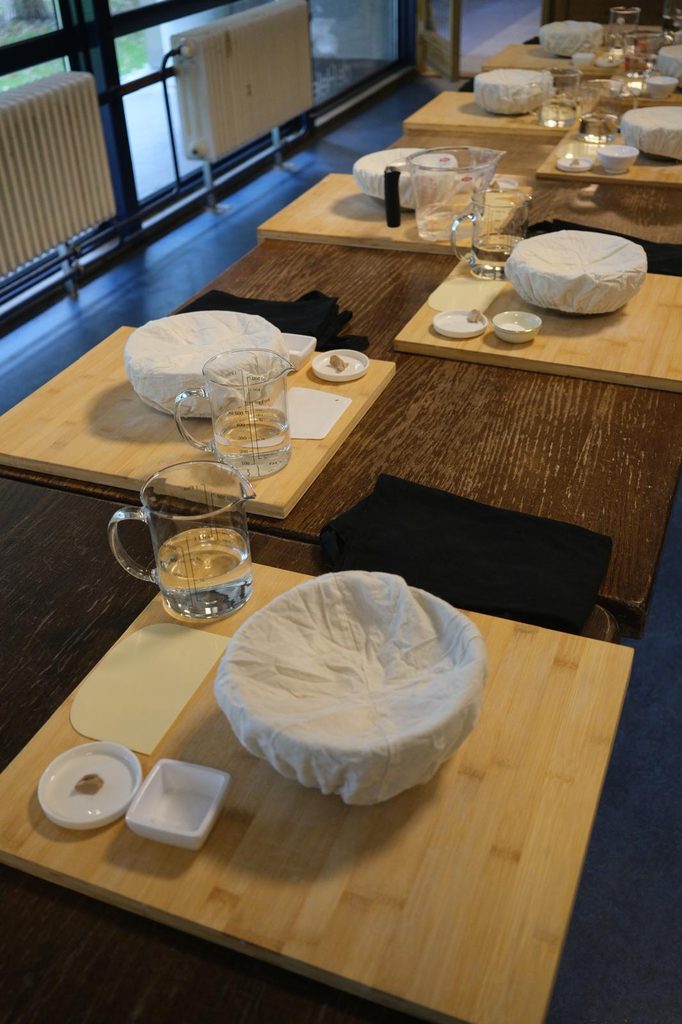
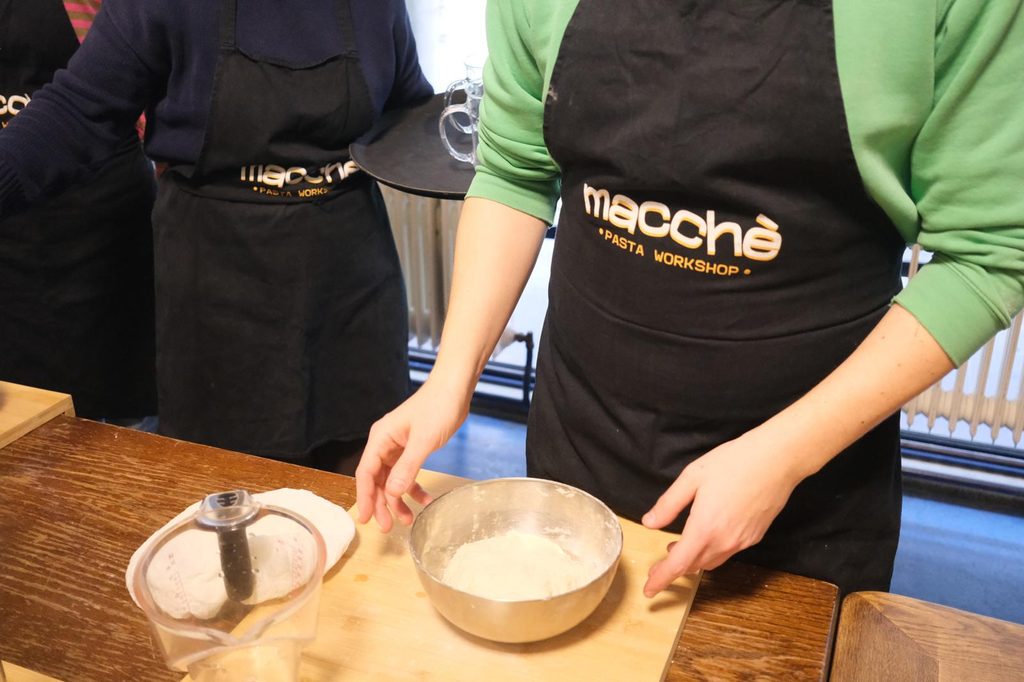
I recently attended a pizza-making workshop with Macché in The Hague, and left with flour on my hands, a very full stomach, and the warm, slightly chaotic feeling of having spent an afternoon in someone’s Italian grandmother’s kitchen. In the best possible way.
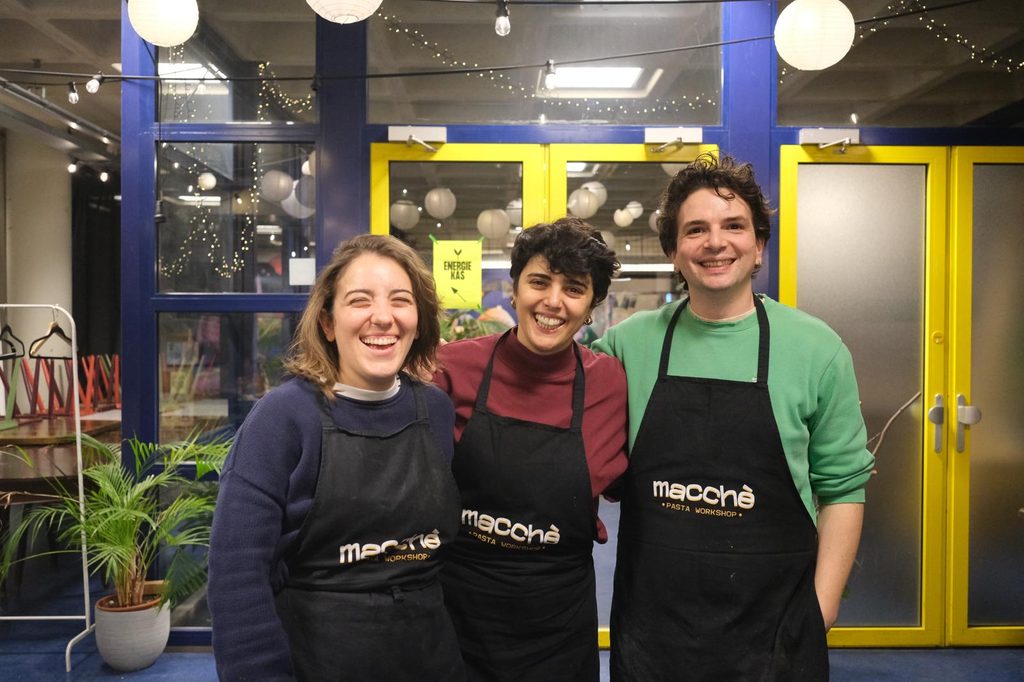
Macché is the brainchild of couple Antonella Cerroni , originally from the south of Italy, and Alessandra Soro, who hails from Rome. The two have been living in the Netherlands for around ten years, and the story of how Macché came to be is as charming as the workshops themselves. When the couple were saving up for their wedding, a friend asked them to teach her how to cook. The idea planted a seed — why not share what they knew with more people? What started as a way to save for a wedding became a genuine passion for watching others discover the joy of Italian cooking. Later, they were joined by Daniele Di Bella from Sicily, who had moved abroad to The Netherlands wanting to experience life in a new country. With a background in Michelin-starred restaurants and previously head baker positions, Daniele brought an added layer of craft and expertise to the team.
Macché is coming up on its first year, and already the Italian community in The Hague — which, it turns out, is a significant and tight-knit one — has embraced it warmly. Antonella tells me that whenever you mention you’re from Italy, people in the city simply light up.
What makes Macché stand out, beyond the warm and welcoming atmosphere, is that all of their workshops are entirely vegan. This might surprise some, but it really shouldn’t — Italian cooking has been naturally plant-forward for centuries.
Long before “plant-based” became a trend, the culinary tradition known as cucina povera — literally, “the cooking of the poor” — was the backbone of Italian food culture. In the rural and working-class communities of the south, particularly in Puglia, Calabria, Campania, and Sicily, families ate what they could grow or store: legumi such as beans, lentils, and chickpeas; wild greens; tomatoes; garlic; onions; ancient grains like farro; and always, always olive oil. Meat was a luxury that most simply could not afford. Livestock required land, feed, and resources that peasant families did not have — and when animals were kept, they earned their place through labour, milk, or eggs rather than ending up on the table. When meat did appear, it was typically reserved for major religious holidays, weddings, or the occasional Sunday feast, and even then used sparingly to flavour a large pot of stew rather than served as a centrepiece in its own right.
What cucina povera also gave us was an extraordinary philosophy of zero waste. Stale bread was never discarded — it was transformed into dishes that have since become icons of Italian cooking: ribollita, the hearty Tuscan bread and vegetable soup; pappa al pomodoro, a thick, warming tomato and bread soup; or ground into a crunchy topping for pasta in place of expensive grated cheese. Ingenuity, not abundance, was the mother of invention.
Antonella and Alessandra grew up cooking this way, learning around a family table in the way so deeply typical of Italian culture. Macché simply makes that tradition visible — and celebrated.
Looking ahead, Macché is planning a series of events that will take guests on a culinary journey through all the regions of Italy — a reminder of just how vast and varied Italian food culture truly is. From the butter-rich risottos of the north to the sun-soaked tomato sauces of Sicily, Italy is not one cuisine but many, and Macché wants to show The Hague all of them.
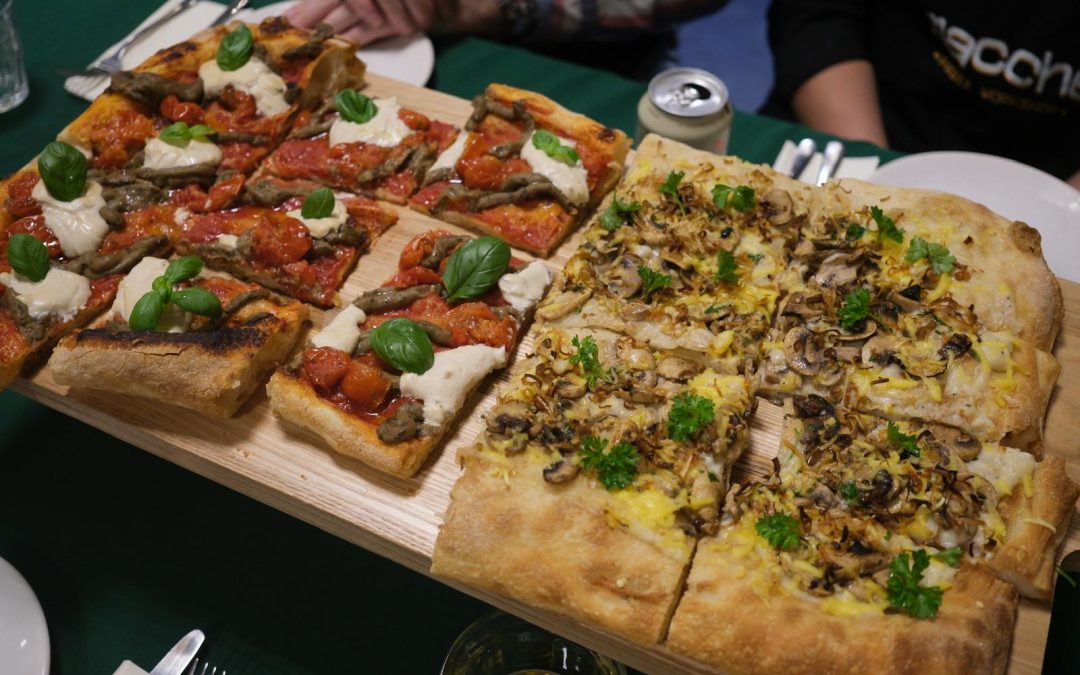
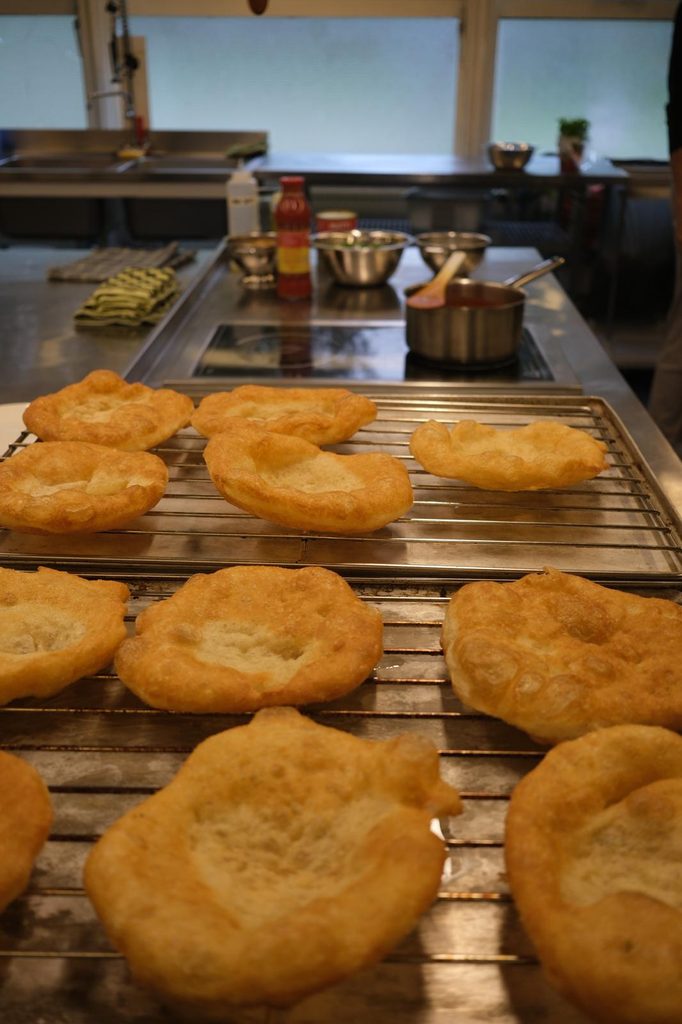
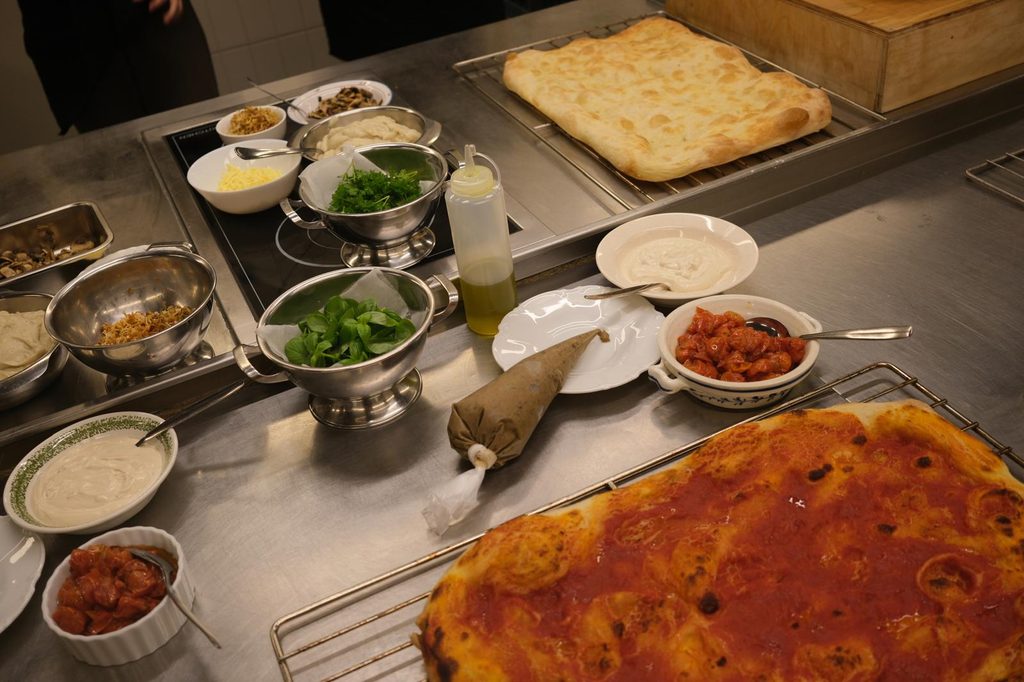
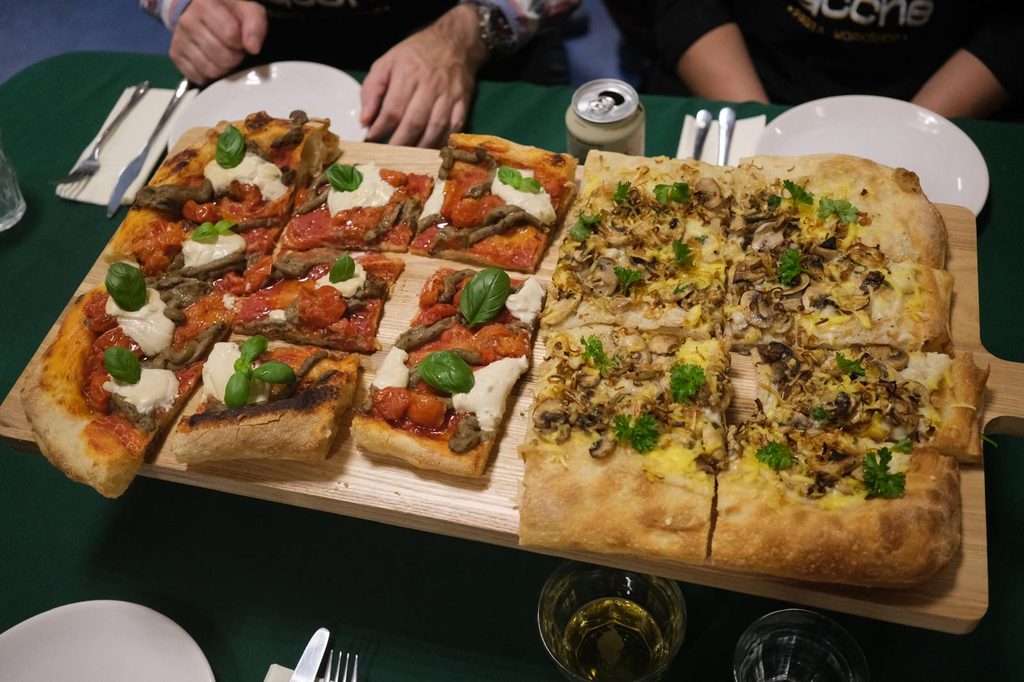
Whether you’re an experienced cook or someone who has never attempted fresh dough in their life, a Macché workshop offers something rare: the feeling of being welcomed into someone’s home, fed well, and sent back into the world a little happier than when you arrived. On the day, we made two pizzas — a tomato base with lemon ricotta, aubergine, and basil, and a white pizza with béchamel sauce, fried leeks, and parsley. Unexpected combinations, and so satisfying that you completely forget every ingredient on the table is vegan.
Photos by: Sherika Rooplal-Clappers
Keep an eye on their Instagram for upcoming regional tasting events — and book a workshop via their website – be quick as spaces fill up fast. Tip! A workshop also makes a great gift for the coming festive season
Do you have a story about your own café, restaurant or bar in the city? Reach out to sherika@thehagueonline.com to possibly be featured.
Sherika Rooplal-Clappers is a contributing writer for The Hague Online, covering culture, lifestyle, and local events. With a passion for storytelling and international perspectives, she highlights the people, places, and experiences that make The Hague a dynamic city.
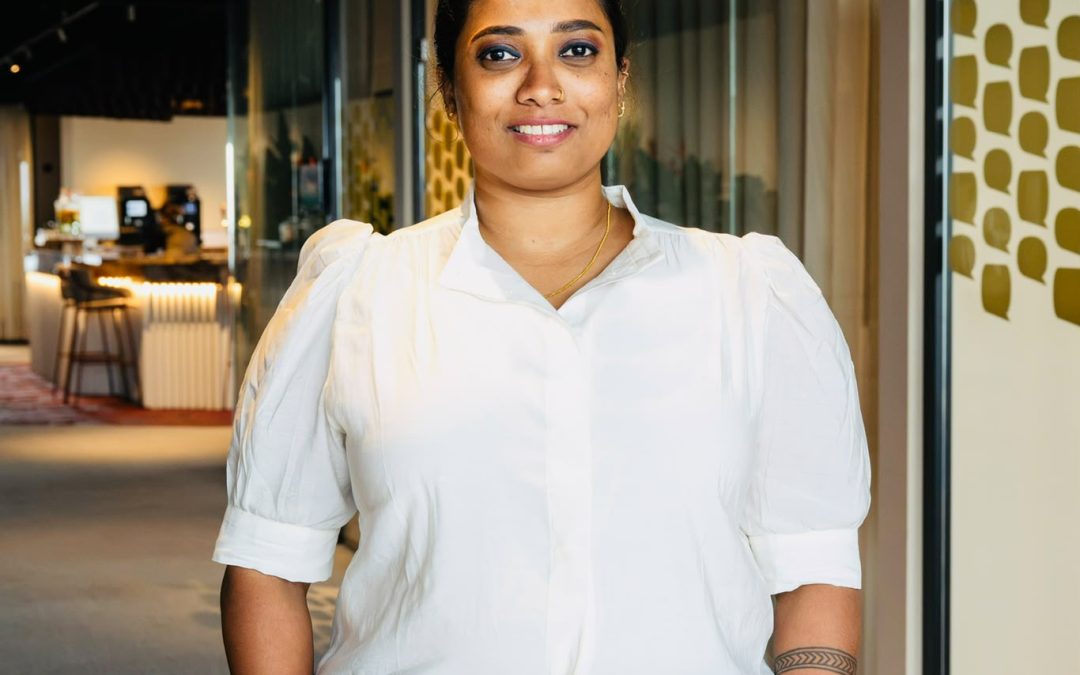
Shilpais a narratologist, writer and founder of The Bridge HUB. She moved to the Netherlands as an undiagnosed neurodivergent expat and learned the cost of masking firsthand. Now she builds ways across. Affordable Dutch classes. Music lessons for those with passion but not privilege. Storytelling for people ready to tell their own. She is a National ECHO Award nominee. Her belief is simple. Access shouldn’t be a privilege. Everyone deserves a way across. She is a guest writer with IamExpat and contributor for The Hague Online.
When you move to a new country as an expat spouse, something inside you changes. It is not only the obvious change: new streets, new language, new weather, new paperwork. It is something deeper. You have left behind a job, colleagues, routines, friends, family, and the small daily interactions that quietly made you feel like a person. And then you begin again.
Not as a student with a clear programme. Not as a professional with a job waiting for you. You begin as a trailing partner: someone who has moved because someone else moved, someone whose visa, housing, and future are often tied to another person’s status. People talk about expat life as if it is exciting. Sometimes it is. But there is another side: the loneliness of starting from scratch. This is the part of migration that does not make it into relocation guides.
When I moved to the Netherlands as an expat spouse, I had to learn how to exist in a place where everyone else seemed to know what to do. They knew which supermarket to choose, how to book a doctor’s appointment, how to register with the municipality. I had to learn all of it while also learning how to be alone in a new way.
As a trailing partner, your arrival can feel strangely passive. You did not choose the job. You did not choose the city. You followed someone you love. That is an act of trust, love, and sacrifice. But it can also make you feel like your life is happening in the background of someone else’s life. Your partner has colleagues, a schedule, and a reason to leave the house every morning. You have a to-do list: registering, applying, translating, waiting. And while everyone congratulates you on the move, very few people ask the harder question: “What will your life look like here?”
Sometimes the hardest moments are not dramatic. Sometimes it is buying bread and milk. At home, it takes five minutes. You do not think about it. In a new country, you stand in a supermarket comparing labels you cannot read. You find fifteen types of bread, none of them familiar. At the checkout, the cashier says something. You do not catch it. You panic for a second. Are you holding up the queue? It sounds ridiculous when you explain it later. But it is not really about bread and milk. It is about competence. It is about feeling capable in the world. You start thinking: I used to manage so much. Why is this so difficult? Because you are rebuilding an entire life from zero, in a language that is not yours, without the support system that once made daily life feel easy.
Before moving, you were someone with a clear role. You had people who knew you. Now your qualifications need validation, your experience does not fit the local job market, and your network may be reduced to one person: your partner. You become “the partner of” someone. People ask what your partner does. They rarely ask what you are building. And slowly, you begin to shrink your own story. You stop introducing yourself as a writer, a professional, a person with ambitions. You start saying you “just moved here.” Those phrases are honest, but they can also become a cage. You are not only someone who moved. You are someone who had a life before this move, and you are building a life after it.
One of the hardest parts is missing the ease of friendship. At home, friendships grow through repetition. Life puts you in the same room with the same people again and again. In a new country, that repetition disappears. You meet someone once. You say, “We should get coffee sometime.” Then nothing happens. Not because either person does not care. But because connection requires someone to take the first step. For an expat spouse, that step feels especially hard. You worry about your accent, your Dutch, your job situation. So you wait until you feel more “ready.” But belonging does not arrive when you feel ready. It arrives when you keep showing up before you feel ready.
Being alone can be peaceful. Loneliness is different. Loneliness is sitting in a beautiful apartment in a new country and feeling invisible. It is having a partner who loves you but cannot fully understand your loss. It is cooking for one, or going to bed early because there is nowhere to be tomorrow. And you may feel guilty for it. I chose this. I am safe. Why am I struggling? But loneliness is not a lack of gratitude. Both things can be true. You can love your new life and miss your old one.
Then there is the pressure to become useful quickly. “Are you working?” “Are you studying Dutch?” “Have you found a job yet?” Every vacancy asks for a network in the Netherlands or Dutch language skills. You are told you need local experience, even though no one will give you local experience until someone gives you a chance. Opportunity is not only about talent. It is also about access. But your worth does not disappear because your career is paused. Migration is not a productivity challenge. It is a major life transition. Sometimes the most productive thing you can do is give yourself permission to take time.
Language is more than grammar. Many people in the Netherlands speak English, which can be comforting. But you can understand enough to survive and still not enough to belong. Language is how people invite you into their world. Every new word is a small key. You do not need to speak perfectly to belong. But saying “goedemorgen” and allowing yourself to be a beginner again can open doors.
You will need to learn how to celebrate differently. Your victories may look small: you make a phone call in Dutch, you attend an event alone, you understand a joke, you introduce yourself without apologising for being new. These are not small things. Each one is proof that you are building a life. Your timeline is your own.
One mistake I made was expecting connection to feel immediate. But it begins with small, imperfect moments. A neighbour says hello. A woman at a language class remembers your name. None of these feels like friendship yet. But they are its raw material. Go to the same café. Say yes to the second invitation. Send the message first. Ask for help, too. It is not weakness. In migration, it is survival. It may feel awkward. But that awkwardness is often the price of belonging.
If you are living this now, you do not have to perform a successful migration story for anyone. You are allowed to say: “This is hard.” “I miss who I was.” “I am still finding my place.” Those sentences are not complaints. They are truth. And when you speak them, you may discover that someone else has been waiting for permission to say the same thing.
Slowly, something shifts. You learn the streets. You recognise the cashier. You meet someone who becomes a friend. You begin to create rhythm, and rhythm is what turns a place into a home.
Moving to the Netherlands as a trailing partner taught me that belonging is not something you receive. It is something you participate in. There were days when buying bread and milk felt like a challenge. There were days when I wondered whether I would ever feel like myself again. But I was not losing myself. I was meeting a new version of myself. A version that could live between cultures. A version that understood that home is not only a place you come from, but also a place you create.
Starting from scratch is painful. But it is also powerful. Because when you build something from nothing, you learn that you were never nothing. You were always the foundation.
For one woman Rik van Wieren met while developing the PillenPopper, getting seven pills out of their packaging was a weekly struggle. Living with severe arthritis, she described spending around fifteen painful, frustrating minutes on the task.
During an early test with the PillenPopper, she managed it herself in under two minutes and reported no pain.
It is a small part of a medication routine, but being able to do it independently can matter a great deal. Helping more people regain that ability is the aim of Rik’s latest project.
The 23-year-old entrepreneur recently graduated cum laude in Entrepreneurship & Retail Management at The Hague University of Applied Sciences (THUAS). Alongside developing physical products through his company, Core Solutions, he works as Community Manager at the university’s Center for Entrepreneurs (CfE) and StartHub.
Now, the PillenPopper has earned Core Solutions a nomination for The Hague Student Innovator Award 2026, and Rik is asking the community to support him in the public vote.
When a familiar task becomes difficult
Pushing a pill through a pill strip requires pressure and control that can be difficult for people with weak or painful hands. Splitting a pill can present another challenge, especially when it involves positioning a small pill near a sharp blade.
The PillenPopper is a tabletop aid designed around those difficulties. A lever allows users to apply pressure with their palm or forearm to remove pills from pill strips, which are then collected in a tray. It also splits suitable pills without a sharp blade.
The design has developed through research, 3D-printed prototypes and tests with six users and three occupational therapy experts. Their feedback has helped Rik and Don Daniëls, an industrial product designer contributing to the project, refine how it works.
The splitting mechanism is a new innovation created by Rik and Don and a patent has been filed for it. It allows for pills to be split by pressure instead of a sharp blade making it safer for the user. Rik told us the mechanism can be compared to how natural stone is cut into slabs by hitting it at the right spots.
The woman’s experience during testing offers an encouraging example of its potential. Further independent validation is planned to understand how the device performs for more people with different needs and medication routines.
Watch Rik introduce the PillenPopper and the idea behind it in his short video below.
Building a community while building a business
Rik’s work at THUAS also involves helping other students take their first steps in entrepreneurship.
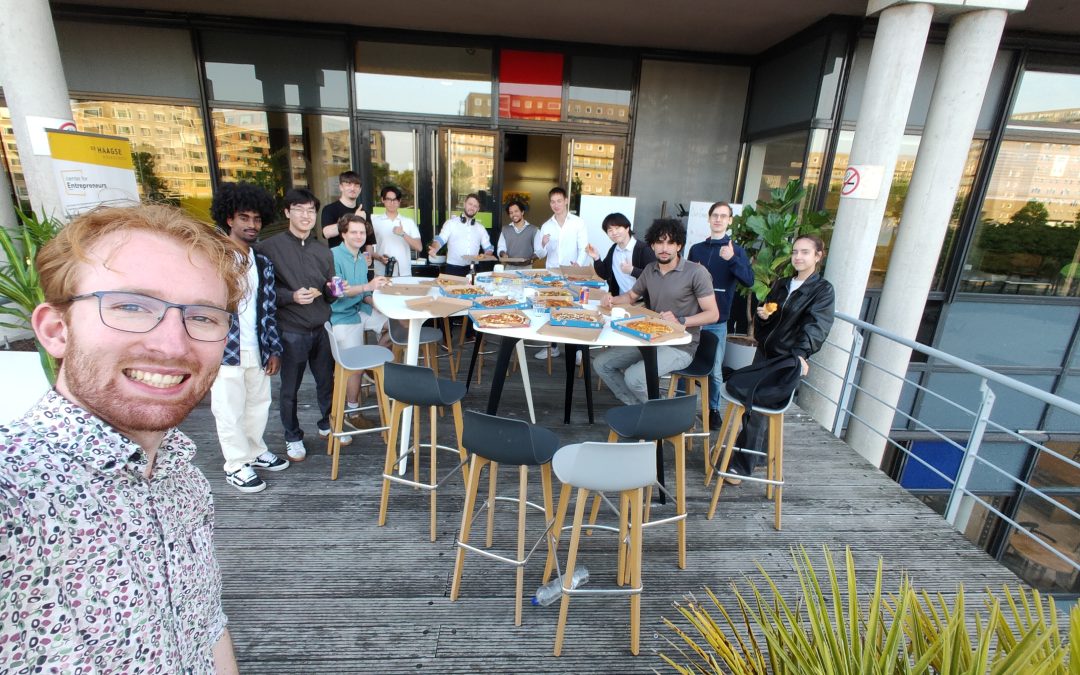
Over the past three years, he has built a community of more than 100 student entrepreneurs and people supporting them through the CfE and the StartHub. His work includes organising the recurring Pizza & Drinks gatherings (view impression in the image below), bringing in guest entrepreneurs, casual coaching and helping students find advice and useful connections.
These informal events give students somewhere to discuss the questions that come with starting a business. They can share an idea, talk through a problem or hear how someone else has approached a similar challenge, with a slice of pizza making that first conversation a little easier.
CfE connects this community with coaching, entrepreneurship education and the wider business network in The Hague. At the StartHub, Rik helps students find their way into that support, whether they already run a business or are still wondering where to begin.
His own experience gives those conversations a practical basis. Before the PillenPopper, he developed and brought other physical products to market, including iHeel pads against heel-slip and blisters and the BATBOX battery tester for households to finally know which batteries still work. Alongside his studies, he has learned what it takes to turn an idea into something people can actually buy and use.
The next step for the PillenPopper
For the PillenPopper, the next stage is to build stronger evidence through independent user testing and prepare for production. The planned approach includes an initial pilot batch made through local 3D printing, allowing feedback to inform the product before a wider launch.
The Hague Innovators nomination brings the project to a wider audience and creates opportunities to meet people who can help it progress. The public vote also offers a chance to win the €2,500 Audience Award. With this award Rik would produce a 100 devices given for free to participants in a pilot in The Hague.
For anyone who has watched a parent, partner or friend struggle with medication packaging, the problem may feel familiar. Rik’s aim is to enable these people to take back control.
Support Rik and the PillenPopper
Voting is open until Sunday 8 November 2026.
To support Rik, visit the ImpactCity voting page and scroll down to the voting form at the bottom. Select Core Solutions, enter your email address and submit the form. Remember to confirm your vote using the email you receive.
A vote for Core Solutions supports Rik’s work towards giving more people the chance to regain their independence.